

to sluff
- verb
- /slʌf/
- Specialized
- As part of their natural growth, snakes slough their skin to allow for greater size.
Loading YouTube…
Watch on YouTubeThe gut lining sloughs off, the tumor shrinks or even disappears from an MRI or an X-ray.
- The gut lining sloughs off, the tumor shrinks or even disappears from an MRI or an X-ray.
Examples
-
You'll probably be amazed to see how much dead skin sloughs off from this process and how smooth and soft your skin will feel after your shower.
-
They're lining the surface of the gut and they are constantly being sloughed off the wall of the gut.
-
Their skin cells Slough off and mixed with other substances, including sweat.
-
Normal attrition, skin cells Slough off the lining of the digestive tract.
-
The gut lining sloughs off, the tumor shrinks or even disappears from an MRI or an X-ray.
-
During the winter, you can see how the deer sloughs off its old fur to make way for a warmer coat.
-
After applying the exfoliating scrub, you might notice how much dead skin sloughs off in the shower.
Synonyms
 68
3.5
68
3.5

To lose hair, skin or feathers naturally as they grow
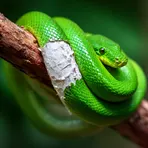 8
6.1
8
6.1
To shed old feathers, skin, hair, or shell so new ones can grow


 1
9.0
1
9.0
To come away from living tissue, for example dead skin leaving a wound

To shed old skin, feathers, or hair when an animal grows
Antonyms

How Much

Surface Forms
Etymology
Sluff as a verb comes from the older slough and gives the image of 'slipping off' or 'shedding'. So to sluff is to let an outer layer, like old skin, 'come off' as part of natural renewal or growth.