

silkweed
- noun
- /ˈsɪlkˌwiːd/
- US
- Monarch butterflies often lay their eggs on silkweed because it serves as food for their larvae.
Examples
-
In late summer, the silkweed pods split open and release seeds carried by the wind.
-
The field was dotted with silkweed plants bursting with fluffy seeds.
-
The silkweed grows abundantly in the fields.
-
Have you ever seen a silkweed plant?
-
In late summer, the silkweed pods split open and release seeds carried by the wind.
-
Monarch butterflies often lay their eggs on silkweed because it serves as food for their larvae.
-
The field was dotted with silkweed plants bursting with fluffy seeds.
Synonyms

 7
7.9
7
7.9

A plant with milky sap and pods that release seeds with silky hairs

A group of flowering plants with milky sap called milkweeds

A plant with milky sap and showy flowers like milkweed
Compounds
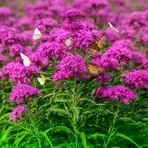
A plant that lives for many years and has pink-purple flowers attracting butterflies
Surface Forms
Morphology
Etymology
Silkweed is a compound of silk and weed. The silk part refers to the soft, fluffy threads on the seeds and the weed part means 'wild plant', like the related and familiar milkweed. So, silkweed is a plant whose pods open to release 'silky' tufts that help the seeds float on the wind.