
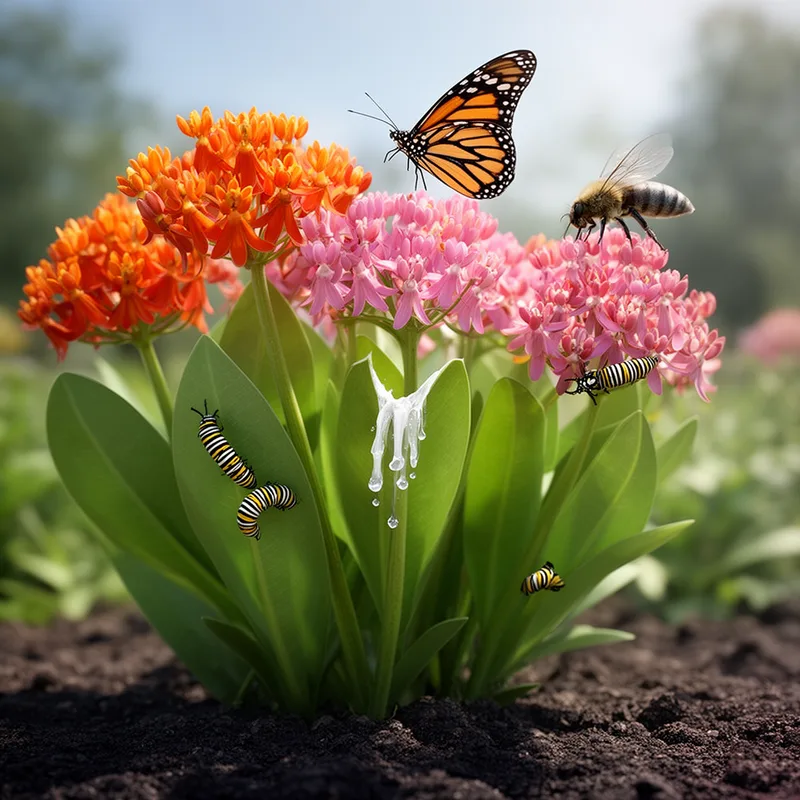
Asclepias
- noun
- /əˈsklɛpiəs/
- Specialized
- If you see a cluster of small flowers in your yard, it's likely Asclepias, a plant that attracts many butterflies.
- butterfly weed (Asclepias)
Examples
-
Many gardeners love Asclepias for its ability to attract butterflies.
-
The Asclepias plant is known for its beautiful flowers.
-
Gardeners often plant Asclepias to attract pollinators such as bees and butterflies.
-
Several species of Asclepias are valued for their ornamental flowers and ecological importance.
-
The monarch butterfly relies on Asclepias as a crucial host plant for its larvae.
-
The Asclepias tuberosa, also known as butterfly weed, is a favorite among gardeners for its vibrant orange flowers.
-
In North America, Asclepias serves as a vital host plant for the larvae of the monarch butterfly.
Synonyms

 7
7.9
7
7.9

A plant with milky sap and pods that release seeds with silky hairs
A plant with milky juice and seed pods that release fluffy seeds
Compounds

- Specialized
A perennial plant with pink and purple flowers that attracts butterflies
- Specialized
A rare milkweed plant from central North American prairies that is in danger because of habitat loss

- Specialized
A plant with large star-shaped purple and pink flowers that attracts butterflies

- Specialized
A plant that lives for many years with bright orange flowers that attract butterflies
- Specialized
A milkweed plant with thin leaves in rings and small light green flower clusters that grows in dry sandy soil
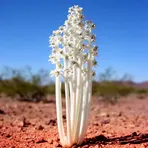
- Specialized
A tall desert plant with mostly leafless white waxy stems and small star-shaped white flowers

- Specialized
A milkweed plant that grows in the eastern United States with leaves like pokeweed

- Specialized
A tropical plant with bright orange-red flowers and long seed pods that attracts butterflies

- Specialized
A tall wetland plant with clusters of pink, white, or purple flowers that attract butterflies
Surface Forms
Etymology
Asclepias is named after the Greek god Asclepius, whose name means 'healing'. People long ago used these milkweed plants for medicine, so the name connects to that old use even though today we know Asclepias as the milkweed whose milky sap and flowers help butterflies.