
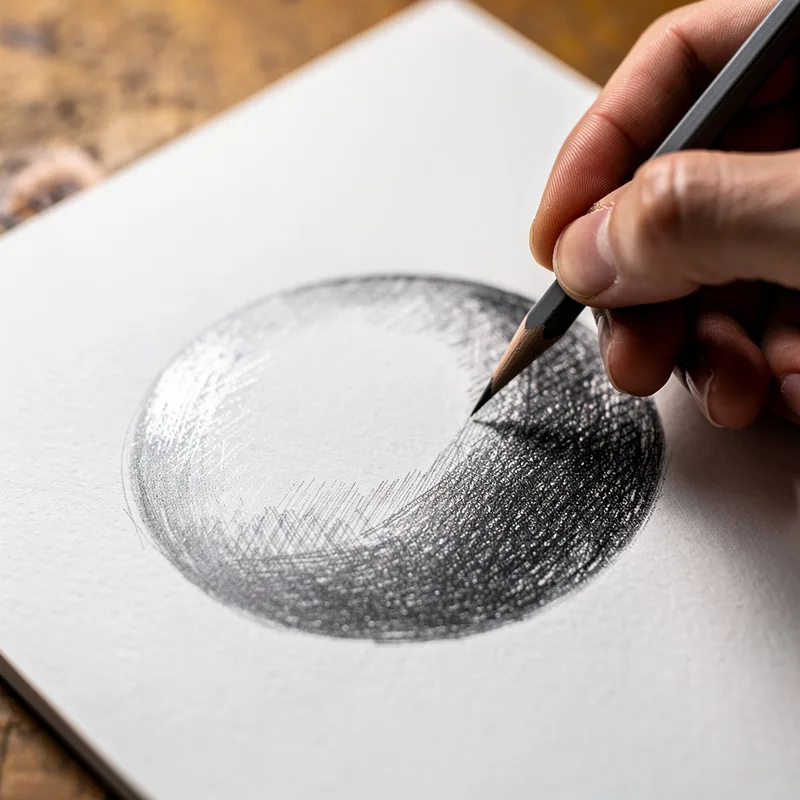
to shade
 8
4.3
8
4.3

- verb
- /ʃeɪd/
- He expertly shaded the portrait, making the cheeks appear more lifelike with soft transitions of color.
- a shaded area
- a shaded region
- shaded areas represent
Examples
-
And I'm just going to go ahead and take that same black shadow and just shade in these little parts over here.
-
One pixel at a time, he began to shade, sketch, and manipulate until he had an interesting texture.
Fiction book (1999) -
I learned to shade and contour; I learned to make round things round.
Fiction book (1998) -
I'm always shading with a darker version of the base skin color.
-
And then the next step beyond that is just colouring in the pixels and deciding exactly how to shade them and light them.
-
A good one will fill in the shape, shading it with texture and nuance.
Academic text (1994) -
And then what I did here was I took a black Tombow and I added the black to the shadow areas instead of shading my skin tone.
-
The man rises unsteadily, shading his eyes, balancing his weight in the gently rocking life raft.
Fiction book (1992) -
To give depth to the drawing, she decided to shade the areas under the objects with a darker pencil.
-
In her painting, she chose to shade the trees, introducing a contrast that added texture and realism.
Synonyms
 19
4.9
19
4.9
To change the color or shade of something
 4
4.2
4
4.2
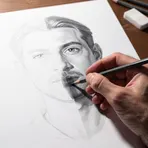
Add shade to a drawing to show light and shadow
Antonyms

Idioms


Phrasal Verbs

Compounds


How Shaded

Surface Forms
Etymology
Shade comes from an old English word sceadu meaning 'shadow'. In drawing, to shade is to add dark areas like shadows so objects look round and real.