
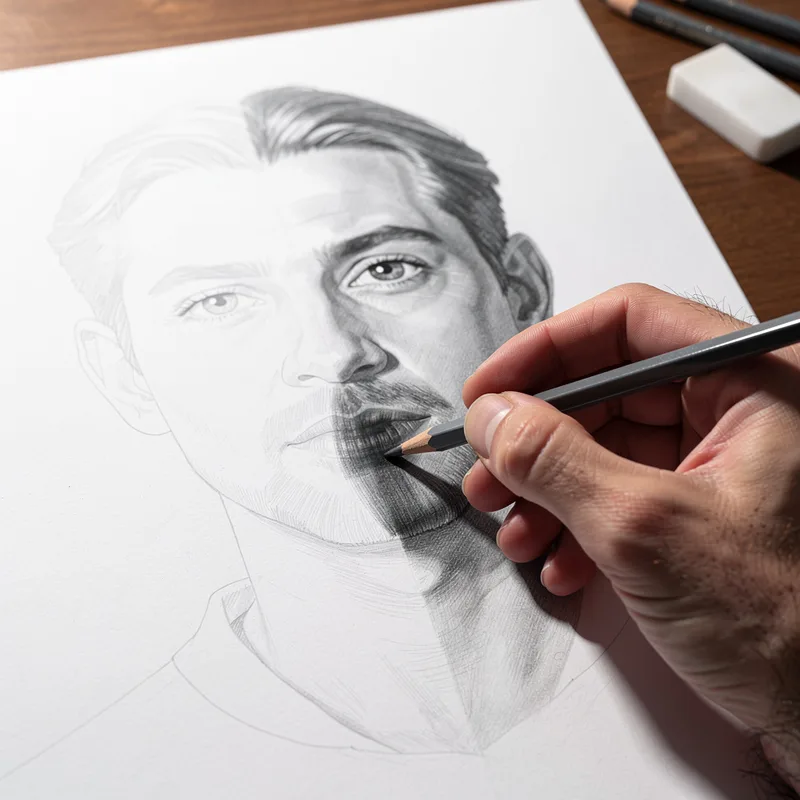
to fill in
 4
4.2
4
4.2

- phrasal verb
- /fɪl ɪn/
- Specialized
- And then I would take the brown ochre and fill in the space.
- fill in the shadows
- fill in the background
- fill in shadow areas
Loading YouTube…
Watch on YouTubeAdding some mascara, lip gloss, and of course filling in my brows.
- Adding some mascara, lip gloss, and of course filling in my brows.
- So what I like to do now is really push this product in with the angled brush and this just really fills in any sparse areas in my brows.
Examples
-
And I would take my Nick's Lift and Snatch in the shade Espresso to kind of fill in and give more dimension to my brows.
-
She drew a large circle above each cheekbone, then filled them in.
Fiction book (1992) -
Next I'm going to take the powder and just fill it in lightly right here.
-
But notice using the flex fill, I can fill in the shadows.
-
Photographers who work outdoors often have problems with harsh lighting, and most use some kind of reflector to fill in shadow areas for a natural effect.
Academic text (1995) -
After the artist completed the outline, she used a fine brush to fill in the details with vibrant colors.
-
He carefully filled in the shadows on the portrait to give it a more realistic appearance.
-
The designer chose to fill in the dark areas of the drawing with charcoal for depth.
Synonyms
 8
4.3
8
4.3
To draw dark areas to show light and shadow
 7
1.4
7
1.4
To fill parts of a picture with crayons or paint
Antonyms

How Shaded

Surface Forms
Morphology
The sense of adding shading is a literal instantiation of 'fill' (to make something full by adding contents) combined with 'in' (into/inside), so the meaning of putting color or lines into areas is directly derivable from the constituents. This is a common, compositional phrasal-verb pattern and is cross-linguistically transparent, so a B1 learner who knows both words would likely understand it.
Etymology
Fill in when drawing comes from filling empty areas of a picture with lines, color, or shading so the image looks complete. So, to 'fill in' in art means 'to add shade or color to parts of a drawing'.