

serratus magnus
- noun
- /ˈsɛrətəs ˈmæɡnəs/
- Specialized
- The serratus magnus plays a key role in lifting the arms above the head.
Examples
-
Physical therapists often target the serratus magnus in rehabilitation exercises for shoulder injuries.
-
During the physical exam, the doctor checked the serratus magnus for signs of muscle weakness.
-
The serratus magnus plays a crucial role in shoulder movement.
-
Many athletes train their serratus magnus for better performance.
-
Physical therapists often target the serratus magnus in rehabilitation exercises for shoulder injuries.
-
The serratus magnus plays a key role in lifting the arms above the head.
-
During the physical exam, the doctor checked the serratus magnus for signs of muscle weakness.
Synonyms
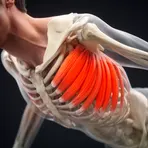
A muscle on the side of the chest that moves the shoulder blade and helps lift the ribs
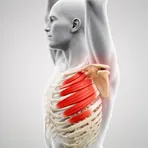
A muscle at the side of the chest that lifts the shoulder blade and helps raise the ribs when breathing

A muscle that helps turn the shoulder blade and lift the ribs
Surface Forms
Morphology
serratus + magnus
The term combines 'serratus' (a saw-toothed muscle connecting ribs and scapula) with 'magnus' (Latin for 'large'), so the interpretation 'large serratus muscle' is directly derivable from the constituents. Anatomical Latin compounds are compositional and predictable, so a learner who knows both parts can infer the MWE meaning.
Etymology
Serratus magnus comes from Latin words: serratus meaning 'saw' and magnus meaning 'large', because the muscle has long, saw-like edges along the side of the chest. So the name points to a 'large saw' shape and helps you remember this muscle that lifts the ribs and moves the shoulder blade.

