
seropositivity
 1
8.3

- noun
- /ˌsɪəroʊpəˈzɪtɪvɪti/
- Specialized
- We found amplified effects of these problems on HIV seropositivity and on the likelihood of engaging in high-risk sexual behavior.
- HIV seropositivity
- HCV seropositivity
- risk for seropositivity
Examples
-
Seropositivity is demonstrated in 94.8% of recipients after the second dose and virtually 100% following the third.
Academic text (2011) -
PARV4 seropositivity was more common in persons 60-64 years of age than in older persons.
Academic text (2012) -
Participant age was always kept in the model because of its frequent relation with seropositivity.
Academic text (2014) -
In contrast to our previous study findings (4), seropositivity for W. chondrophila was not associated with contact with animals.
Academic text (2014) -
Raw milk consumption was a risk factor for seropositivity in German dairy cattle farmers (19).
Academic text (2014) -
In univariate analysis, PARV4 seropositivity was also more common in patients treated with oral antituberculosis drugs.
Academic text (2012) -
We have studied the prevalence of and risk factors for anti-HCV seropositivity among dentists in the New York City metropolitan area.
Academic text (1991) -
Statistical analyses indicated a lower risk for seropositivity among farm residents exposed to poultry and compost.
Academic text (2014) -
Finally, we calculated the prevalence of HIV seropositivity and high-risk sexual behavior for each possible count score of psychosocial health problems.
Academic text (2012) -
A study showed that the rate of HIV seropositivity among the group was significantly higher than expected.
Synonyms

 1
9.8
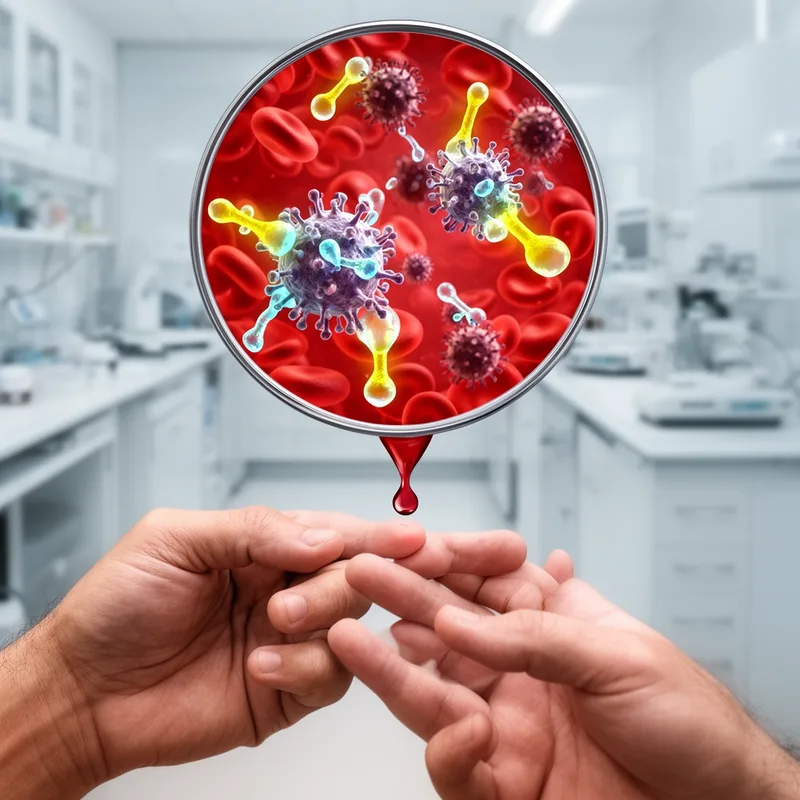
A person's blood test result that shows if they have antibodies from an infection
How Seropositive

Surface Forms
Morphology
seropositivity = seropositive (semi-transparent) = sero + positive + ity
Formed from 'seropositive' + '-ity' is clear, but the combining form 'sero-' is a specialized medical term that may be unknown to average learners.
Etymology
Seropositivity starts with sero-, from serum, the clear part of the blood, and ends with positivity, from positive meaning 'present' or 'yes'. So seropositivity means 'antibodies are present in the blood', which shows someone has been exposed to a disease.