
segmentation
- noun
- /ˌsɛɡmɛnˈteɪʃən/
- Specialized
- Segmentation of the thorax of hatched embryos.
- embryo segmentation
- phoneme segmentation
Examples
-
Embryo segmentation is crucial for several reasons.
Academic text (2016) -
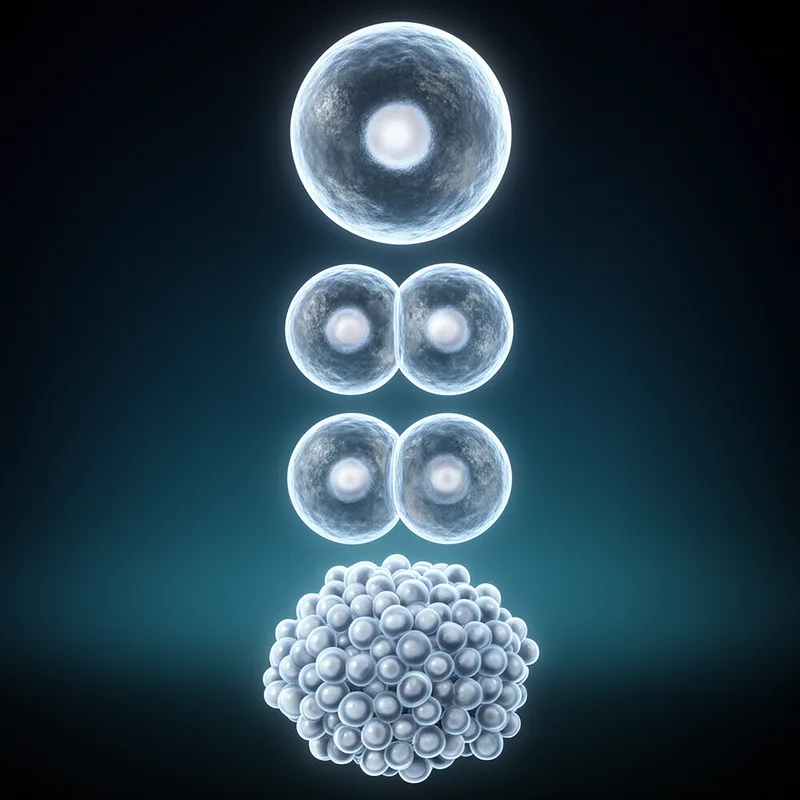
In embryology, segmentation refers to the repeated division of a fertilized ovum into smaller cells during early development.
-
We, we had two experts who did manual segmentation of, of all of the cells studied.
-
Therefore, after the differentiation step, we refine the embryo segmentation in the case of alevins.
Academic text (2016) -
If we keep trying to compare somites with metameres, then homology fails and segmentation is a separate evolutionary event in the two phyla.
Academic text (1992) -
In particular, it is crucial to weed out potential shadows and impurities, which may have been segmented with the embryo, while retaining the tail segmentation for the alevins.
Academic text (2016) -
Decades of painstaking work have revealed (at least in good outline) the genetic and developmental bases of segmentation in the fruit fly Drosophila, the canonical insect of experimental research in genetics and evolution.
Academic text (1992) -
The process of segmentation in embryos is essential for proper formation of tissues and organs.
-
During the early stages of development, segmentation helps to create a multicellular organism from a single fertilized egg.
Synonyms

 2
7.2
2
7.2

Breaking a molecule or bond into smaller parts
Antonyms


Compounds

How Divided
- Specialized

- Specialized
1
5.5
- Specialized
- Specialized
- Specialized
13
8.2
Surface Forms
Morphology
Etymology
Segmentation comes from the Latin word segmentum, from secare 'to cut', and is related to the English word section. In embryology this gives a clear picture: one fertilised egg is repeatedly 'cut' into many smaller cells, so segmentation is the process of those divisions in early development.