
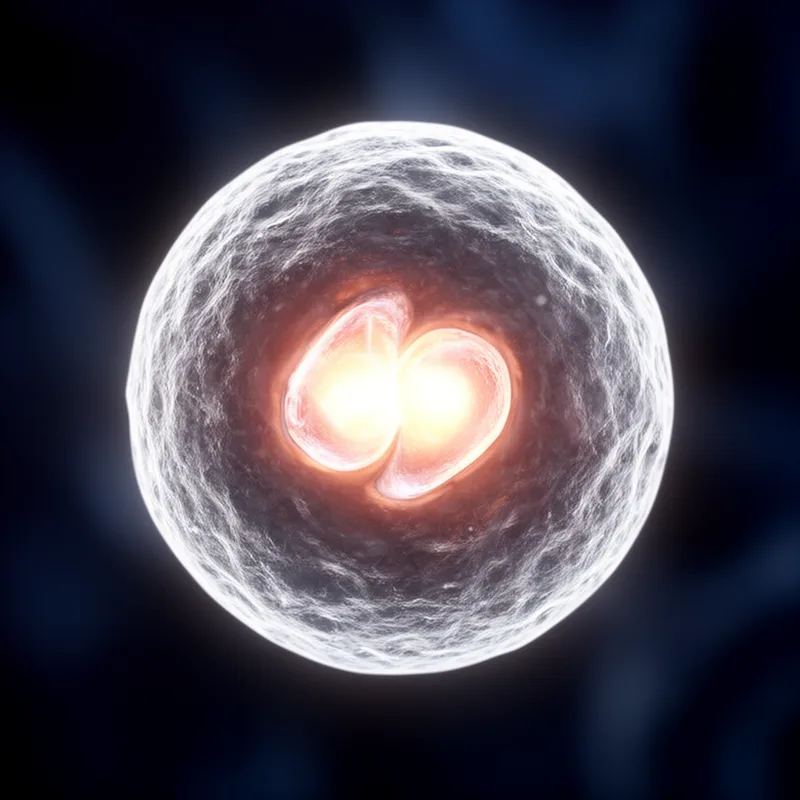
zygote
 13
8.2
13
8.2

- noun
- /ˈzaɪɡoʊt/
- Specialized
- The same is true on each new level of development as the zygote becomes an embryo and finally, a fetus.
- zygote becomes an embryo
- zygote resulting from fertilization
- zygote is fully formed
Loading YouTube…
Watch on YouTubeHow many doublings to get from a zygote to an adult?
- How many doublings to get from a zygote to an adult?
- And then there's the somatic variant, which is the tree that happened after the zygote that sort of forms your own body.
- Fertilize, egg, zygote, embryo, baby, toddler, teenager, young adult, mature adult, guy with Alzheimer's.
- Well, actually it was taken from the two homologous chromosomes for my parents because they underwent myosis in order to create a zygote, which was me.
Examples
-
The zygote survives this, implants and grows, and is then born.
-
Or the zygote splits in two but a little later than usual.
-
How many doublings to get from a zygote to an adult?
-
The egg that has been fertilized is a zygote and will be attached to the uterine wall.
Blog text (6) -
But let's start with the zygote, which is undetermined or uncommitted and undifferentiated.
-
Fertilization results in a diploid zygote, which develops rapidly into a young embryo.
Academic text (1998) -
A zygote forms when the sperm fertilizes the egg, marking the beginning of a new life.
-
After fertilization, a zygote is created that will undergo several developmental stages.
-
The zygote contains all the necessary genetic material to grow into an organism.
Synonyms
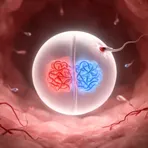
A cell formed when a sperm joins an egg that becomes a new animal
How Developed
- Specialized
163
4.1

- Specialized
94
4.0
- Specialized
- Specialized
- Specialized
- Specialized
13
8.2
Surface Forms
Etymology
Zygote comes from the Greek word zygon, which means 'yoke' or 'to join', like the wooden yoke that ties two oxen together. So a zygote is the single cell made when a sperm and an egg join.