
secretor


 1
8.4
1
8.4
- noun
- /sɪˈkriːtər/
- Specialized
Examples
-
We have Quantico working on graphology; the Washington lab is cloning DNA from the secretor.
Fiction book (1995) -
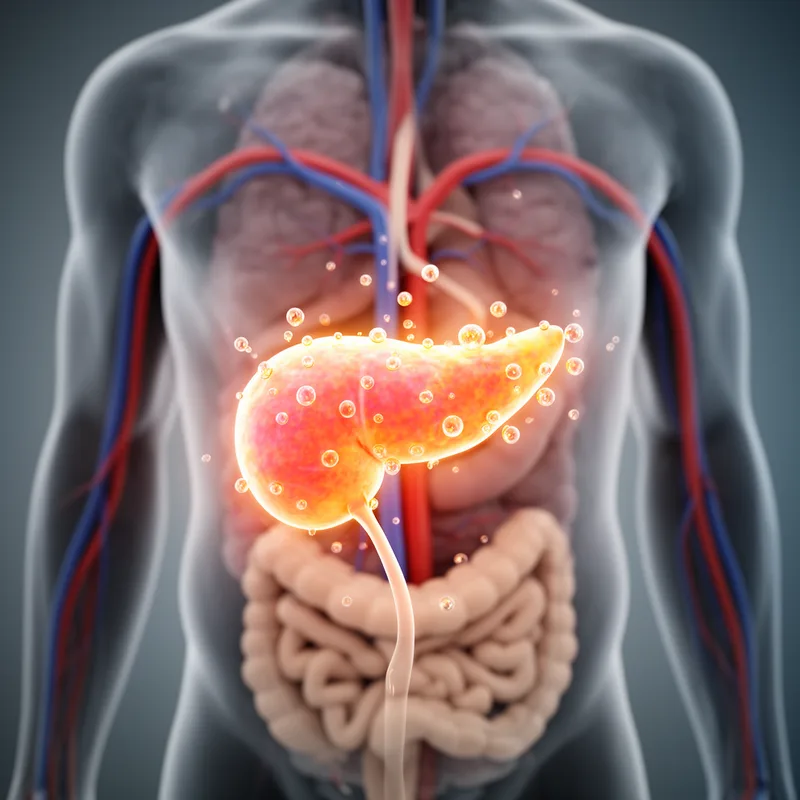
The pancreas acts as a secretor by releasing insulin into the bloodstream to regulate blood sugar levels.
-
In the human body, a secretor is responsible for producing hormones that influence various physiological functions.
-
Salivary glands are another type of secretor that produce saliva, which aids in digestion and oral health.
Synonyms
 108
3.5
108
3.5
A body part that makes and releases chemicals like hormones into the blood or through small tubes
 1
7.4
1
7.4
A cell or gland that makes and releases substances like hormones

A body part that makes and releases substances into the blood or through tubes
Surface Forms
Morphology
Etymology
Secretor comes from the verb secrete, which originally meant 'to separate' or 'send out' and is related to the common word separate. So a secretor is an organ that 'sets apart' and releases substances like hormones or enzymes.