
secretor
 1
7.8
1
7.8

- noun
- /sɪˈkriːtər/
- Specialized
- In a clinical study, researchers found that a significant number of participants were type O secretors, meaning they produced specific antigens in their saliva.
- secretor phenotype
Examples
-
The doctor explained that as a type A secretor, she was able to release certain substances in her bodily fluids, which could influence her health.
-
Although human NoV susceptibility is highly associated with secretor status, and thus with mutations in FUT2 (4), no information is yet available on whether host genetic factors determine susceptibility to SaV.
Academic text (2012) -
They got a saliva sample to see if he was a secretor (that is, if his blood type could be determined from his bodily fluids).
Blog text (24) -
The ABO blood group and Lewis phenotype in saliva were determined for persons found to be secretors as described (10).
Academic text (2012) -
Other studies have also associated genetic resistance to NoV infections with mutations in the 1,2-fucosyltransferase (FUT2) gene (or "secretor" gene) (15).
Academic text (2013) -
Our results indicate that neither ABO blood group, Lewis phenotype, nor secretor status affects susceptibility to SaV infection in Nicaragua.
Academic text (2012) -
Understanding whether someone is a secretor can help determine how their body responds to various infections and treatments.
Synonyms


 1
7.4
1
7.4
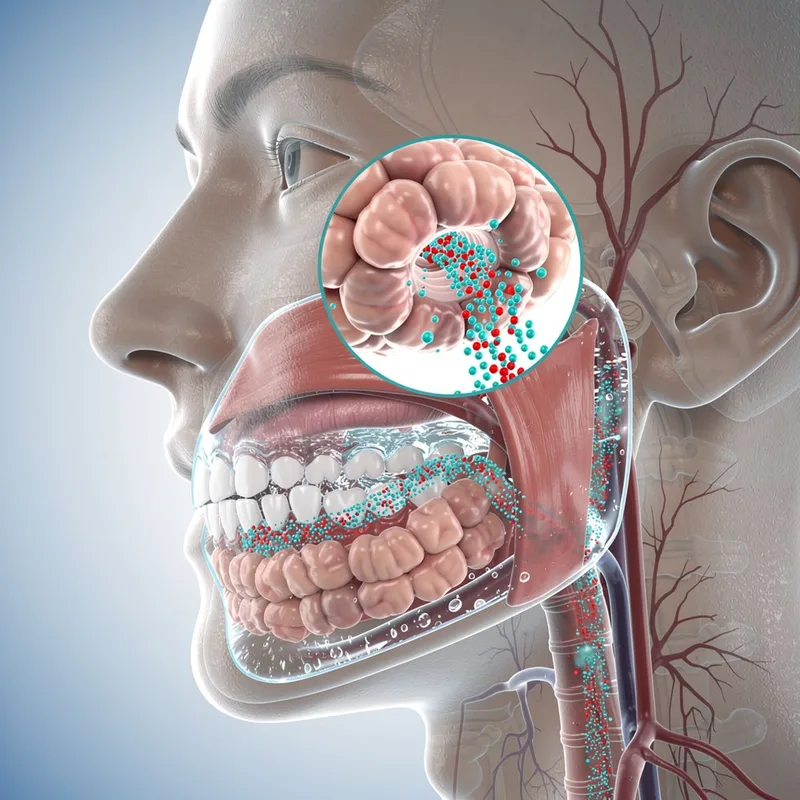
A cell or gland that makes and releases substances like hormones
How Secretory

Surface Forms
Morphology
Etymology
Secretor comes from the verb secrete, meaning 'to send out' or 'release', and the idea is like the word separate because it describes putting a substance apart from the body. So a secretor is a person or organism who releases a particular substance, for example into saliva or mucus.