

sear
- adjective
- /sɪr/
- Walking through the sear fields, she noticed how the plants had shriveled and lost their color.
Examples
-
The sear grass crunched underfoot in the summer heat.
-
After the drought, the sear leaves fell from the tree.
-
After weeks without rain, the fields were covered in sear grass.
-
He walked past sear branches that cracked beneath his feet.
-
The sear leaves rustled quietly in the autumn wind.
-
The sear grass was a clear sign that the region had suffered from a long drought.
-
The bright sun caused the sear leaves to crumple and fall from the tree branches.
Synonyms

 18
3.5
18
3.5

No longer holds water and is very dry, like a riverbed or plant
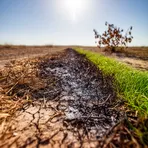 1
4.6
1
4.6
Burned and dried by strong heat such as fire or hot sun
 1
9.9
1
9.9
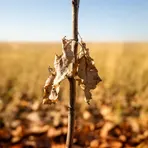
Very dry and withered, often describing plants or leaves
 1
4.6
1
4.6
It looks dry, thin, and lifeless like old leaves


 1
5.2
1
5.2
Dry and wrinkled because it has lost water

Dried and shrunken with a wrinkled surface from lack of water
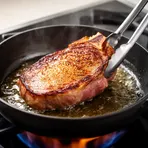
Cooked quickly at very high heat to make a brown crust, like on steak
Antonyms
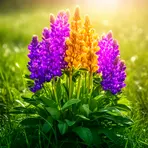

How Withered

Surface Forms
Etymology
Sear as an adjective is from the same old word as sere, meaning 'dry' or 'wither'. That's why sear plants or leaves look dried up, scorched, or dead-looking.