
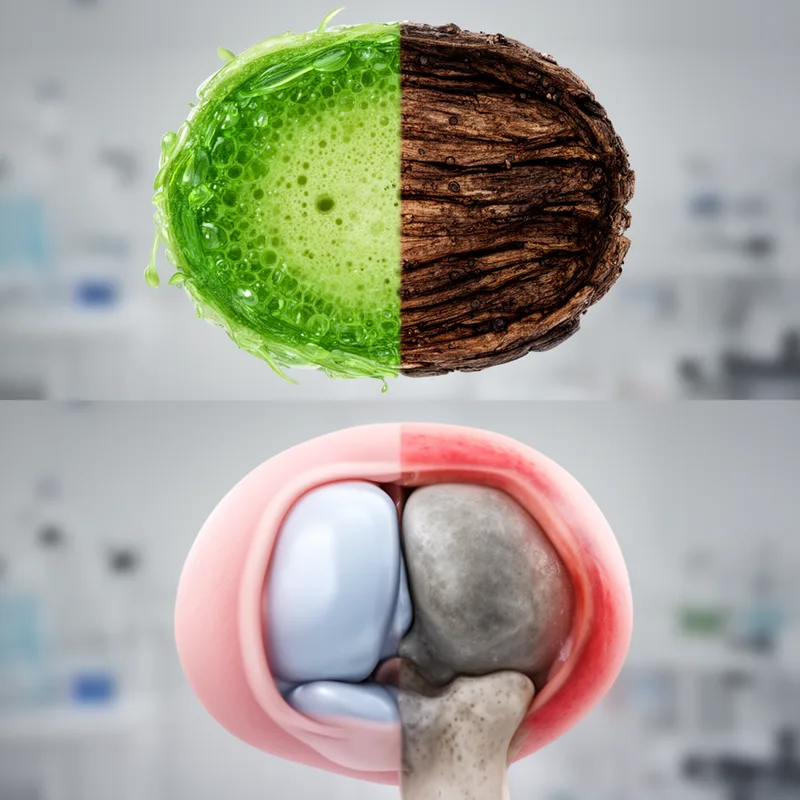
sclerotization
- noun
- /ˌsklɛrəˈtaɪzeɪʃən/
- Specialized
- The sclerotization of plant tissues can indicate disease.
Examples
-
Chronic inflammation can cause sclerotization of tissues, leading to reduced flexibility and function.
-
The sclerotization of insect exoskeletons provides them with extra protection against predators.
-
Researchers studied the sclerotization process in plant stems affected by certain diseases.
-
The process of sclerotization can be beneficial for some plants.
-
The process of sclerotization helps make plant tissues tougher and more resistant to damage, often due to disease or natural development.
-
Insects undergo sclerotization to strengthen their cuticles after molting.
-
The doctor explained that sclerotization can indicate chronic inflammation in the body.
Synonyms
 27
8.3
27
8.3

A change in body tissue that makes it harder or less flexible
 3
7.5
3
7.5
A medical problem when body tissue becomes thick and less flexible

A hard area under the skin that forms after infection or injury
How Hard
- Specialized
3
7.1

- Specialized
- Specialized
3
2.4
4
1.1
Surface Forms
Morphology
sclerotization = sclerotize (opaque) = sclerot + ize + ation
The immediate base 'sclerotize' is technical and built from a Greek combining form unfamiliar to average learners.
Etymology
Sclerotization comes from the root scler- which means 'hard', the same root in sclerosis. That is why sclerotization describes body or plant parts becoming hard or stiff, for example after a long illness or over time, which makes them less flexible.