
saturated
 5
4.7
5
4.7

- adjective
- /ˈsætʃəˌreɪtɪd/
- Specialized
Loading YouTube…
Watch on YouTubeSo eventually if the concentration is too high, your sample becomes saturated and, and you're, you're not going to be able this Beer's law falls apart.
- So eventually if the concentration is too high, your sample becomes saturated and, and you're, you're not going to be able this Beer's law falls apart.
Examples
-
Now it's just a matter of solving for the saturated concentration.
-
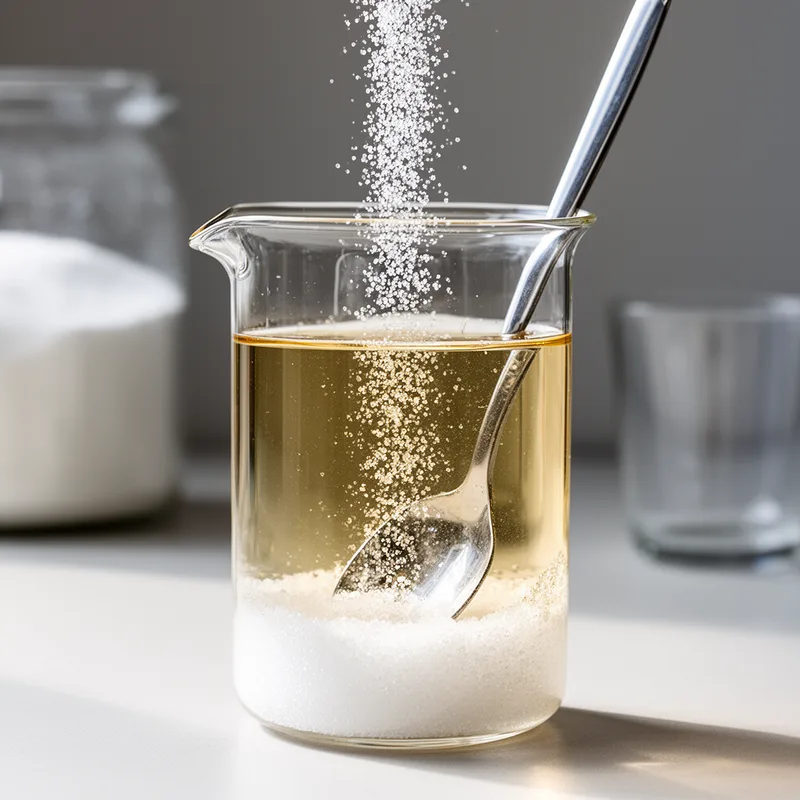
We say the solution is saturated with respect to the to the solute and can take no more.
-
As well as providing isoflavones, soya foods are naturally low in saturated fat, and the replacement of animal proteins with soya proteins can help to lower overall saturated fat intake.
Academic text (2012) -
For example, both within and among species of Helianthus, variation in the relative proportions of saturated and unsaturated fatty acids in seed oils parallels climatic differences in the species' ranges.
Academic text (2000) -
The saltwater was saturated with so much salt that no more could dissolve.
-
After adding sugar to the tea, it became saturated and could hold no more sweetness.
-
The sponge was saturated with water, dripping onto the floor with each movement.
Antonyms

Compounds

- Informal
A type of fat found mainly in animal foods that has no double bonds in its chain
How Saturated

Surface Forms
Morphology
Etymology
Saturated comes from the old Latin root satur- meaning 'full'. Think of a sponge that cannot hold more water: a saturated solution is 'full' of dissolved substance and cannot dissolve any more.