
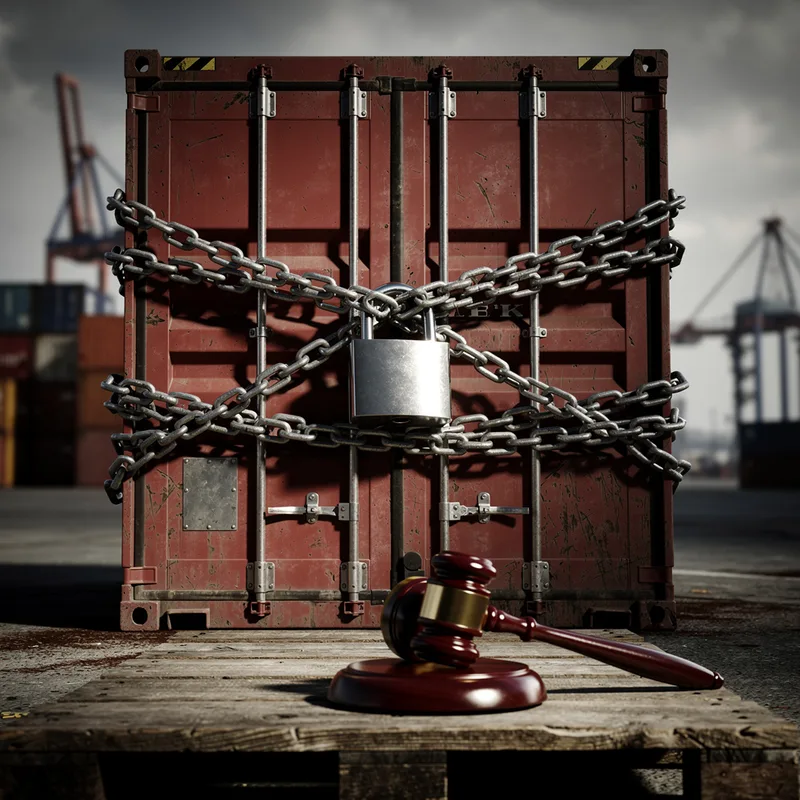
to sanction
 44
6.3
44
6.3

- verb
- /ˈsæŋkʃən/
- Formal
- The government decided to sanction the country's trade for its human rights violations.
- sanction a company
- courts sanction
- authority to sanction
Loading YouTube…
Watch on YouTubeI don't know if they even had a flag or they were sanctioned or whatever.
- I don't know if they even had a flag or they were sanctioned or whatever.
- We are Britains, and we're going to say to the Russians, we're going to sanction you.
Examples
-
Age-inappropriate behavior and attitudes were more strictly sanctioned for women who deviated than for men.
Academic text (1990) -
And, and how many countries have the US sanctioned along the way and cut off their access to SWIFT?
-
If not, is it fair to sanction one and not the other?
Academic text (1998) -
Friend, I cannot sanction this violence and destruction.
-
And we're sanctioned by the United Nations
-
Whatever happens next, I want you to know I did not sanction that cowardly act against your father.
-
Pyongyang said that any threat to sanction North Korea was an act of war.
Academic text (1999) -
And then it is true that we LED a worldwide effort to impose sanctions on Russia.
-
What we're about to do won't be sanctioned.
-
In response to the invasion, many nations chose to sanction the aggressor to deter further attacks.
Synonyms
 60
5.5
60
5.5
Punish someone or make them suffer a loss for breaking a rule
 1
3.8
1
3.8
Officially order someone to pay money as punishment for breaking a rule
Antonyms

Compounds

- Formal
An official order by a king or emperor that becomes a basic law of the country
How Severe
9
6.0

- Formal
1
7.0
- Formal
44
6.3
- US
60
5.5
∞
1.0
Surface Forms
Etymology
Sanction (verb meaning to punish) comes from the old Latin sancire, 'to make sacred', and because sacred laws were strictly enforced, the word came to mean 'to punish or restrict' those who break rules. So, to sanction can mean to impose an official penalty.