

salt
 54
2.9
54
2.9

- noun
- /sɔlt/
- Specialized
- The tangy smell of the salt air was replaced by the smoke of burning leaves.
- metal salts
- dissolved salts
- soluble salts
Loading YouTube…
Watch on YouTubeSo these are all capable of forming salts.
- So these are all capable of forming salts.
- And so depending on what acid and which base were used and mixed together, the salt might have different a different pH.
- There's a debate on whether whether or not magnesium, so magnesium from Epsom salt is in the form of magnesium sulfate.
Examples
-
Acid plus alkali makes a salt plus water.
-
The chemist explained that mixing acid with a base would result in a salt and water.
-
So the answer is that this salt and water will be acidic.
-
Perspiration passes through the first layer, and is gathered in the second, where salt is separated.
-
Provision of lumps of common salt in feeding troughs was a common practice at all three farms.
Academic text (2015) -
The herbicides upset the plants' filtering system and allowed excess salts to accumulate in the leaves.
Academic text (1990) -
During the experiment, they produced a new salt by combining an acid and a metal.
-
You can form a salt when the hydrogen ions in an acid react with metal ions.
Idioms

- Informal
9
6.1
A kind, honest, reliable person who helps others in their community



- Informal
1
6.6
To make someone's bad feelings worse by reminding them of a disappointment

- Archaic
To be in a lower social or work position and have other people treat you as less important



Compounds
 56
1.3
56
1.3
The capital of Utah near the Great Salt Lake and home to the main offices of the Mormon Church








 1
3.6
1
3.6
A white salt you put in warm water to soothe sore muscles, relieve constipation, or feed plants


- Specialized

 1
4.8
1
4.8
A substance in bile that helps break down fats so the body can digest them



- Literature
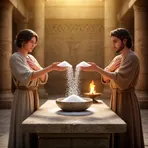
A serious promise that is meant to last forever, often used in old religious books

- Specialized
A salt made by replacing two hydrogen atoms in an acid with metal atoms

- Specialized
A solid made when two different salts form crystals together and shows some properties of each

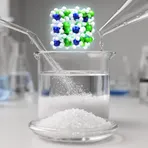
- Specialized
A salt that forms when ammonia reacts with an acid and has an NH4+ part

- Specialized
A plant that grows in salt marshes and has small pale purple or white flowers


- Specialized
A white chemical in crystal form that people use as a laxative and in industry

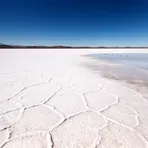
A large flat area of salt and dry land in north central Iran, also called Dasht-e Kavir

- Archaic
A salt from Bad Ems mineral waters that treats throat and nose infections
- Specialized
A white crystal used as a mild laxative and in early electrical devices

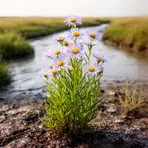
- Specialized
A plant with daisy-like flowers that lives in salt marshes and comes back each year






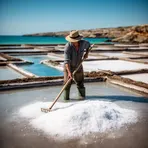

A white wheat bread made with bacteria that can grow in salty dough and a cornmeal starter

Surface Forms
Etymology
Salt in chemistry takes its name from everyday salt you put on food; long ago people used the same word for many solid compounds that looked or behaved like table salt. So chemists call those compounds 'salts' today because they are like the common mineral.