
to salinize
- verb
- /ˈseɪlɪnaɪz/
- Specialized
- The scientific approach to fruit production applied early by these companies reveals that the humid eutrophic soils on the floodplain are oversaturated and tend to salinize after being plowed.
Examples
-
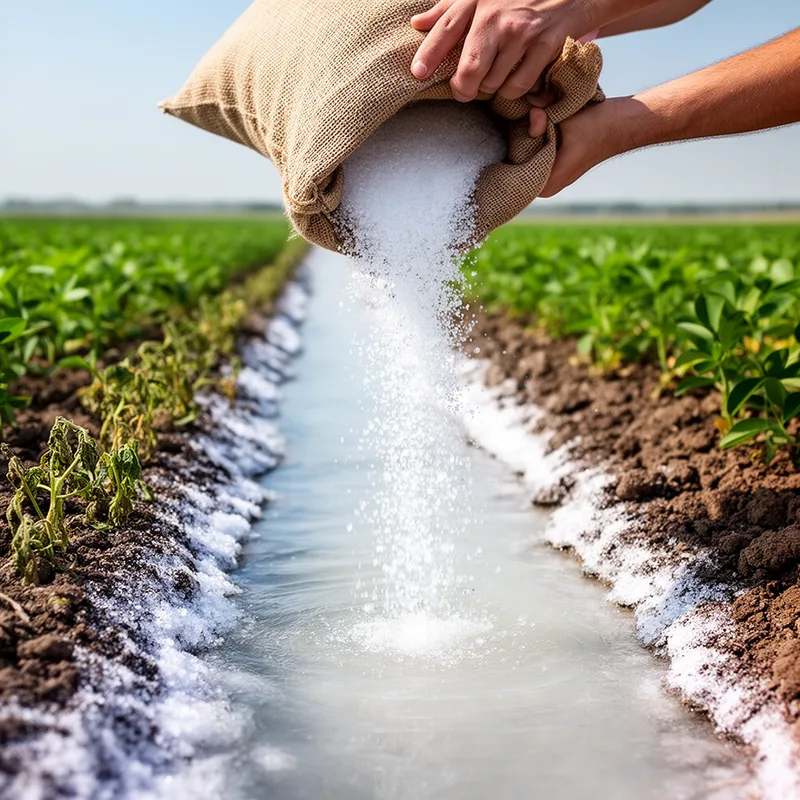
Over time, excessive watering practices can salinize agricultural land, making it less fertile.
-
Farmers have to be careful not to salinize the soil, as too much salt can harm their crops.
-
They pump seawater to these upland ponds, salinizing the soil and the groundwater.
Academic text (1996) -
The runoff from the irrigation system began to salinize the nearby streams, affecting the local fish population.
Synonyms

 31
1.0
31
1.0

To put small white crystals on food to make it taste better or last longer


 1
7.2
1
7.2
To make something salty by adding salt

To add salt to food, often to preserve or flavor it
Antonyms

How Salty

Surface Forms
Morphology
Etymology
Salinize comes from the Latin root sal, meaning 'salt', the same root you see in salt and saline. So, to salinize land or water is to 'make it salty', which explains why salinized soil can harm plant growth.