

ruptured intervertebral disc
- noun
- /ˈrʌptʃərd ˌɪntərˈvɜrtəbrəl dɪsk/
- Specialized
 :
disco intervertebral roto
:
disco intervertebral roto
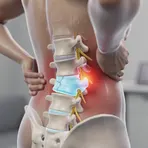
- A ruptured intervertebral disc can cause numbness or weakness in the legs if it presses on the nerves.
Examples
-
He was diagnosed with a ruptured intervertebral disc after experiencing severe lower back pain.
-
He was diagnosed with a ruptured intervertebral disc last week.
-
After surgery for his ruptured intervertebral disc, she was finally able to walk without discomfort.
-
A ruptured intervertebral disc can cause severe pain.
-
He was diagnosed with a ruptured intervertebral disc after experiencing severe lower back pain.
-
A ruptured intervertebral disc can cause numbness or weakness in the legs if it presses on the nerves.
-
After surgery for his ruptured intervertebral disc, he was finally able to walk without discomfort.
Synonyms
 4
5.1
4
5.1

Soft part of a disc in the spine pushes out and presses on nerves, causing back pain
 1
4.0
1
4.0
A disc between the bones of the spine that moves out of place and often causes lower back pain
Antonyms

How Severe

Surface Forms
Morphology
rupture + intervertebral + disk
The phrase is fully compositional: 'ruptured' means torn or burst, 'intervertebral' specifies between vertebrae, and 'disc' refers to the spinal disc, so a learner who knows those words can infer a disc between vertebrae that has torn. This follows regular English noun-modifier composition and is similar across many languages, making the meaning predictable to a B1 learner who knows the constituents.
Etymology
Ruptured intervertebral disc comes from the image of the soft disc between the bones of the spine tearing like a jelly doughnut. When the disc's soft center leaks and 'presses on nerves', it causes 'back pain' and weakness, so the phrase means a disc that has torn and is causing pain.