
rudiment
- noun
- /ˈruːdɪmənt/
- Specialized
Examples
-
Yet every policy must be kept within limits, for it always bears inside it the seeds of authoritarianism, the rudiments of a threat to individual freedom.
Academic text (1991) -
At this moment, just 7 days after fertilization, the first "emgrams" (the rudiments of the first memories) are being formed.
Blog text (21) -
CSCE, although strengthened, still comprises only the rudiments of a Pan-European security framework.
Academic text (1991) -
In the early stages of development, the embryos display the rudiments of their future organs.
-
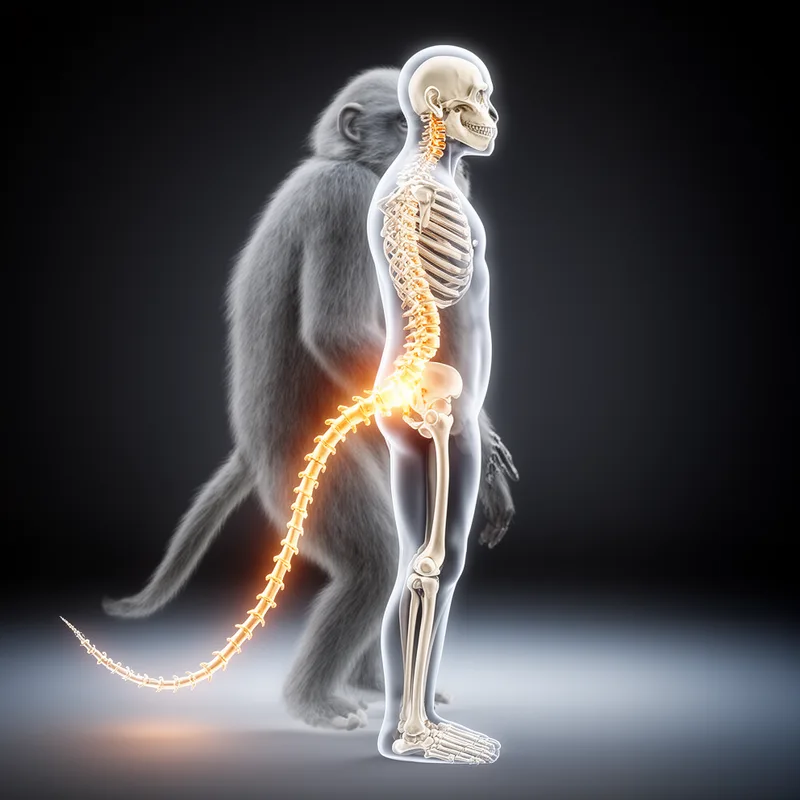
The biologist explained how the rudiments of a tail can still be found in some human embryos.
-
Some species exhibit rudiments of wings, even though they no longer use them for flying.
Synonyms

Small leftover body parts from ancestors that do little or no work
How Developed
 473
2.6
473
2.6


- Specialized
Surface Forms
Etymology
Rudiment comes from the Latin rudis 'rough' or 'untrained' and the old word rudimentum meaning 'a first, unfinished thing'. So in the body a rudiment is like a 'leftover' or undeveloped part that once had a job but never fully formed.