
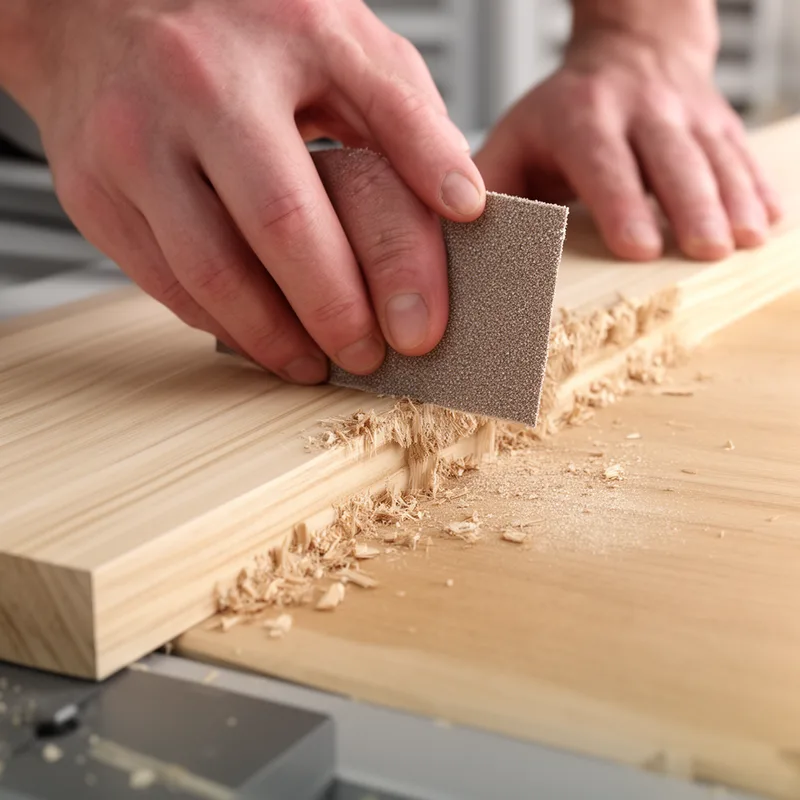
to roughen up the edges
- phrasal verb
- She used sandpaper to roughen up the edges of the wooden shelf.
Examples
-
The designer chose to roughen up the edges of the poster for a vintage look.
-
He liked to roughen up the edges of his sketches so they felt less formal.
-
Please roughen up the edges of the paper.
-
The artist decided to roughen up the edges of the canvas.
-
The carpenter used a chisel to roughen up the edges of the table for a rustic appearance.
-
To create a more natural look, the sculptor chose to roughen up the edges of the marble statue.
-
Before painting, she decided to roughen up the edges of the canvas to give it more character.
Synonyms
 7
4.2
7
4.2

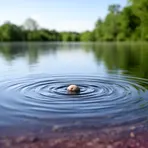
Disturb a smooth surface so small waves appear
 2
6.5
2
6.5
Make or become rough in texture and manners
 2
4.2
2
4.2
To make a surface not smooth so it feels bumpy
 1
5.7
1
5.7
To make a surface not smooth or a person tougher

 1
4.2
1
4.2
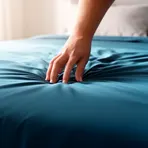
To make a smooth surface uneven or wrinkled
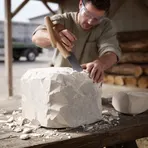
To shape wood or stone without smoothing the surface

To make a rough basic shape before finishing it

To make small cuts in seed coats so they take in water and grow
Antonyms


How Rough

Surface Forms
Morphology
The meaning is directly compositional: 'roughen' (make rough) applied to 'the edges' clearly yields making the edges less smooth, with 'up' functioning as an intensifying particle. This verb + particle + noun pattern is regular and cross-linguistically common, so a B1 learner who knows the constituents should readily infer the meaning.
Etymology
Roughen up the edges comes from a simple craft image. Imagine using sandpaper to roughen up the edges of wood or paper so they become rough and not smooth, giving a handmade or older look. So, the phrase means 'to make something feel less smooth or perfect'.