

rotary converter
- noun
- /ˈroʊtəri kənˈvɜrtər/
- Archaic
 :
convertidor rotativo
:
convertidor rotativo
- The old power station still houses a rotary converter used for converting AC to DC.
Examples
-
Engineers replaced the rotary converter with a modern solid-state rectifier.
-
A rotary converter was essential in early electrified rail systems for supplying direct current.
-
The rotary converter is essential for this power system.
-
Many factories use a rotary converter to improve efficiency.
-
A rotary converter was essential in early electrified rail systems for supplying direct current.
-
The old power station still houses a rotary converter used for converting AC to DC.
-
Engineers replaced the rotary converter with a modern solid-state rectifier.
Synonyms
 7
8.7
7
8.7

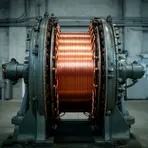
A machine that changes alternating current into direct current
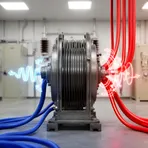
A machine that changes electricity that changes direction into electricity that flows one way

A device that changes electricity between the type that goes back and forth and the type that flows one way

A device that changes electrical power from AC to DC or from one voltage to another
Surface Forms
Morphology
The compound is directly compositional: 'rotary' (operating by rotation) modifies 'converter' (a device that transforms one form into another), so a learner who knows both words can infer it is a device that converts by means of rotation. The detailed technical specifics (AC/DC conversion, synchronous machine) are specialized, but they do not obscure the transparent, predictable combination of the constituents.
Etymology
Rotary converter comes from old machines with big spinning parts that changed one kind of electricity into another. The word rotary points to 'turning' and converter means 'change', so the name fits a device that uses spinning parts to turn AC into DC.