
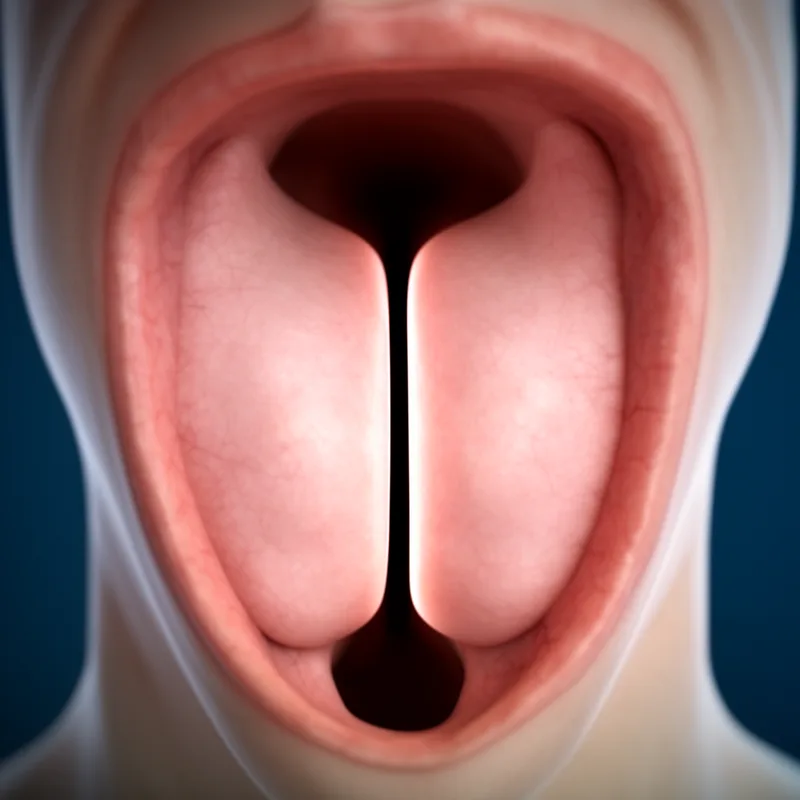
rima
9.9
A narrow opening between two parts of an organ, for example the gap between the vocal cords
- noun
- /ˈrɪmə/
- Specialized
:
rima
- ottava rima
Synonyms
9.9
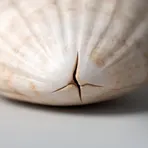
A small crack or narrow groove in a surface
refers to a narrow elongated opening often between two symmetric parts
Compounds

rima glottidis
- Specialized
9.9
The gap between the two vocal cords in the throat that air passes through



rima respiratoria
- Specialized
9.9
The opening between the small folds above the vocal cords in the throat that lets air pass

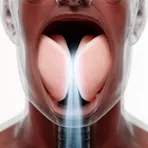
rima vocalis
- Specialized
9.9
The space between the two vocal cords in the voice box that air passes through when you speak or breathe


ottava rima
- Literature
9.9
A group of eight lines in a poem with rhyme pattern abababcc used in long poems

terza rima
- Literature
9.9
Groups of three lines where the rhyme links each group, for example aba bcb cdc
Surface Forms
Etymology
Rima comes from the Latin rima, which meant a small 'crack' or 'split'. So in the body a rima is a narrow 'opening' or 'gap', like the small crack between two close parts such as the vocal cords.

