
ottava rima
- noun
- /oʊˈtɑːvə ˈriːmə/
- Literature
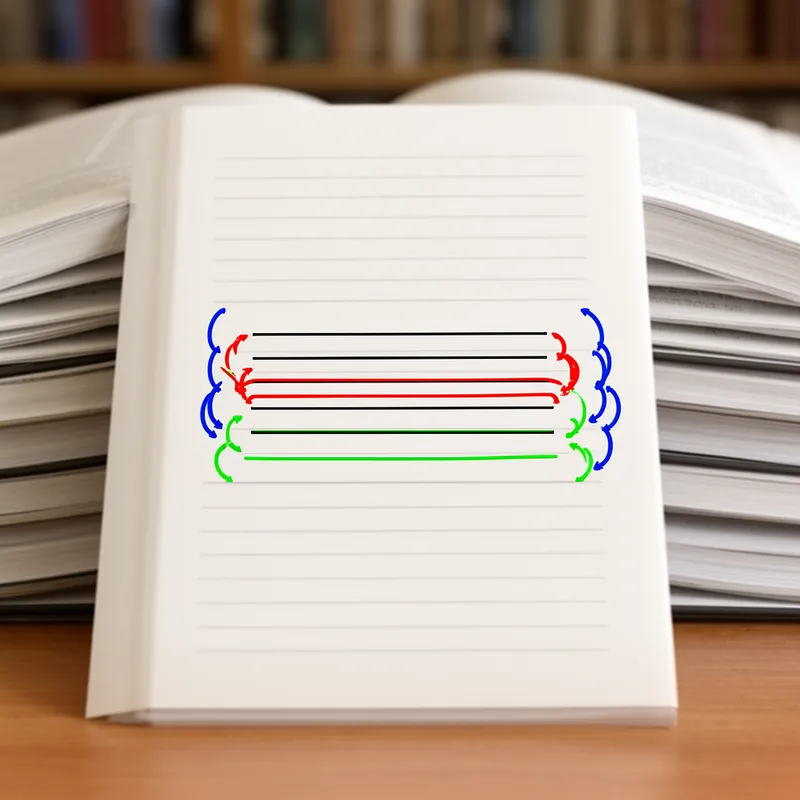
- Ottava rima is a stanza form that reveals its workings at a glance.
- ottava rima stanza
Examples
-
An ottava rima stanza may possess the same complex and self-reflexive beauty as a lyric form such as the sonnet.
Academic text (2003) -
In fact, an Italian lyric form, the rispetto, imitated by Wyatt and Surrey in English, does consist of a single stanza of ottava rima.
Academic text (2003) -
Tasso's frustrated epic ambitions in ottava rima are witness to this.
Academic text (2003) -
But Gerusalemme conquistata was still in ottava rima, and Tasso remained discontented.
Academic text (2003) -
Ottava rima works well in this way, for its couplet has the potential of an incendiary device, waiting to explode the sestet's bombast.
Academic text (2003) -
Spenser evidently shares Chaucer's desire to evade the shock of contrast implicit in the dual structure of ottava rima.
Academic text (2003) -
In Italian poetry, an ottava rima is often used to create memorable stanzas with its specific rhyme scheme.
-
The famous epic poem was written in ottava rima, showcasing the author's skill with the eight-line format.
-
Many scholars admire how ottava rima structures complex ideas within its eight lines of verse.
Surface Forms
Morphology
ottava + rima
Both parts are directly compositional: 'ottava' denotes an eight-line stanza (octave) and 'rima' corresponds to rhyme, so the phrase literally describes a rhymed eight-line stanza. Although it is an Italian loanword used as a technical poetic term, the meaning is predictably derived from its constituents and is cross-linguistically transparent, so a learner who knows the parts can infer the MWE's basic meaning.
Etymology
Ottava rima comes from the Italian words ottava meaning 'eighth' and rima meaning 'rhyme', because the form is a stanza of eight lines where the last two lines rhyme together to close the stanza. So, today ottava rima means an eight-line stanza with that rhyme pattern, often used in long poems.

