
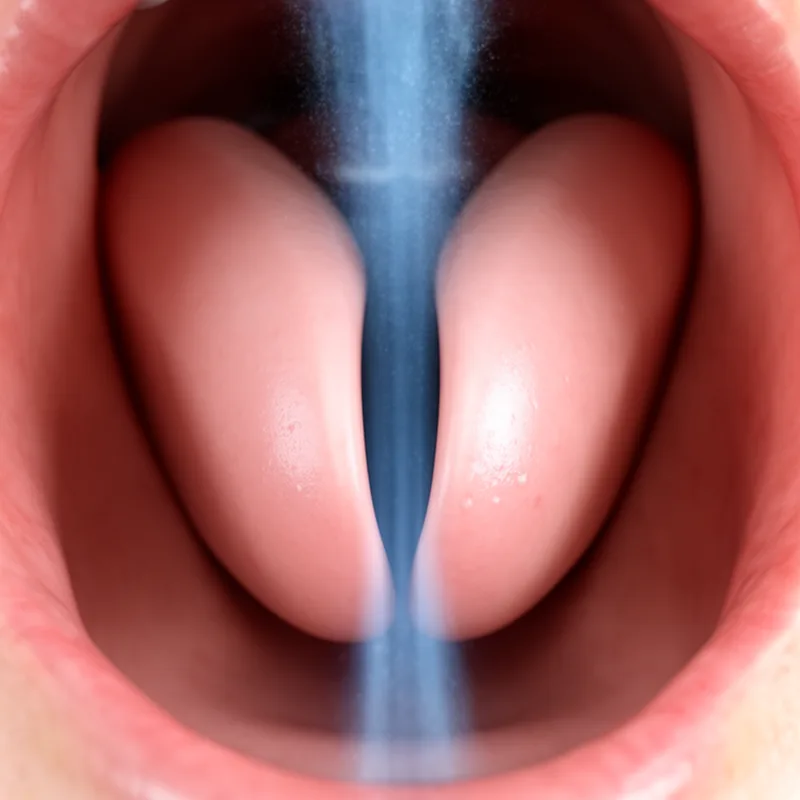
rima glottidis
- noun
- /ˈrɪmə ˈɡlɒtɪdɪs/
- Specialized
- The rima glottidis allows air to flow during speech.
Examples
-
During inhalation, the rima glottidis opens wider.
-
The rima glottidis narrows during phonation to help produce sound.
-
Anesthesia can sometimes affect the muscles controlling the rima glottidis.
-
In cases of laryngeal edema, the rima glottidis may become dangerously constricted.
-
The rima glottidis is essential for producing sound during speech.
-
When the rima glottidis narrows, it helps create vocal tones.
-
Proper functioning of the rima glottidis is vital for clear breathing.
Synonyms

 1
9.0
1
9.0

The opening between the vocal cords in the throat that makes sounds

The space between the two vocal cords in the voice box that air passes through when you speak or breathe

The space between the two vocal cords in the voice box

The small space between the two vocal cords inside the voice box
Surface Forms
Morphology
rima + glottidis
The phrase literally combines 'rima' (a narrow fissure) with 'glottidis' (the genitive form indicating 'of the glottis'), yielding 'the fissure/space of the glottis', which matches the given definition. Although it is a technical Latinate anatomical term, its meaning is directly compositional from the constituents, so a learner who knows both words can derive the MWE's meaning.
Etymology
Rima glottidis comes from Latin words: rima meaning a 'slit' and glottidis meaning the glottis. Picture two soft vocal folds in your throat forming a small open slit that air passes through, and that's why the term refers to the 'space between the two vocal folds' used for breathing and talking.