
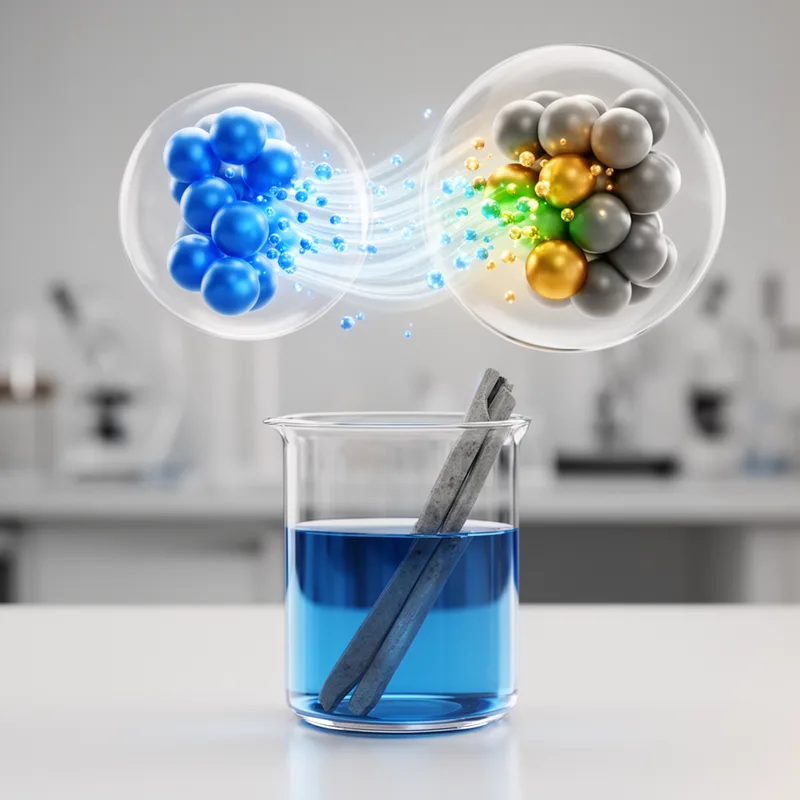
reducer


 1
8.3
1
8.3
- noun
- /rɪˈdjuːsər/
- Specialized
Examples
-
The way the title functions both as an oxygen reducer and as adding gasoline is very clever.
Blog text (15) -
When it goes into formation, fluid used for hydraulic fracturing is more than 90 percent water, almost 9 percent sand, and less than half a percent of chemical additives that serve as friction reducers, scale inhibitors, iron controls, and biocides.
Academic text (2011) -
In photography, a reducer can effectively decrease the density of a negative, helping to enhance the final image.
-
The chemist used a special reducer to lower the concentration of the solution during the experiment.
-
To create a lighter print from the original negative, a photographer applied a reducer to make necessary adjustments.
Synonyms

A substance that gives electrons to another substance in a chemical reaction

A chemical that gives electrons to another substance during a reaction
Antonyms
How Much

Surface Forms
Morphology
Etymology
Reducer comes from the verb reduce (from re- 'back' and ducere 'to lead'), giving the basic idea 'to bring down' or 'make less'. A helpful way to remember a chemical reducer is that it 'brings down' the other substance in a change, so it makes that substance less in one chemical way.