

raptorial


 1
9.1
1
9.1
Animals, especially birds, that catch and eat other animals
- adjective
- /ræpˈtɔːriəl/
- Specialized
:
rapaz
- With its raptorial wings, the eagle soared gracefully above the mountains in search of food.
Examples
-
He produced a lacquered wood box and passed it over, the raptorial eyes fastening now on Birnbaum and making him uneasy.
Fiction book (1997) -
The hawk's raptorial nature allows it to hunt and capture small animals effortlessly.
-
Owls are known for their raptorial behavior, using their sharp talons to catch prey at night.
Synonyms

predatory
vsraptorial
8
4.8
Hunting and eating other animals for food
is used especially for animals and birds that hunt rather than general feeders

rapacious
vsraptorial
1
8.4
Hunting and eating other animals for food
is focused on animals, especially birds, that hunt rather than general hunters
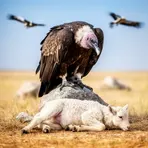
vulturous
vsraptorial
1
9.9
Likely to take advantage of weak people or animals, like a bird that eats dead animals
is more general applying to animals that hunt without vulture sense
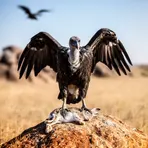
vulturine
vsraptorial
9.9
Living by hunting and eating other animals
is broader used for hunting animals not necessarily similar to vultures
Compounds

How Predatory

Surface Forms
raptorial positive
Morphology
Etymology
Raptorial comes from the Latin root rap- from rapere, meaning 'to seize' or 'grab'. It shares this root with raptor, a name for birds that take prey, so raptorial describes animals that catch and eat other animals.