
quickening


 1
8.6
1
8.6
- noun
- /ˈkwɪkənɪŋ/
- Literature
- Sensation fiction is a "speed technology" (remember Duffy) in which the "reader of these texts experiences a quickening not just of pulse and respiration but also of hermeneutic pace" before arriving at a final resolution (101).
Examples
-
It seems fitting that these two polar opposites would pass in our year of quickening.
Blog text (16) -
And Marlon was saying the same thing about himself with the quickening that you felt when you realized that you were meant to act, when your life started to make sense.
-
There was a quickening inside her, a pleasurable dropping down, and she shivered and banged her heels in the stirrups.
Fiction book (1995) -
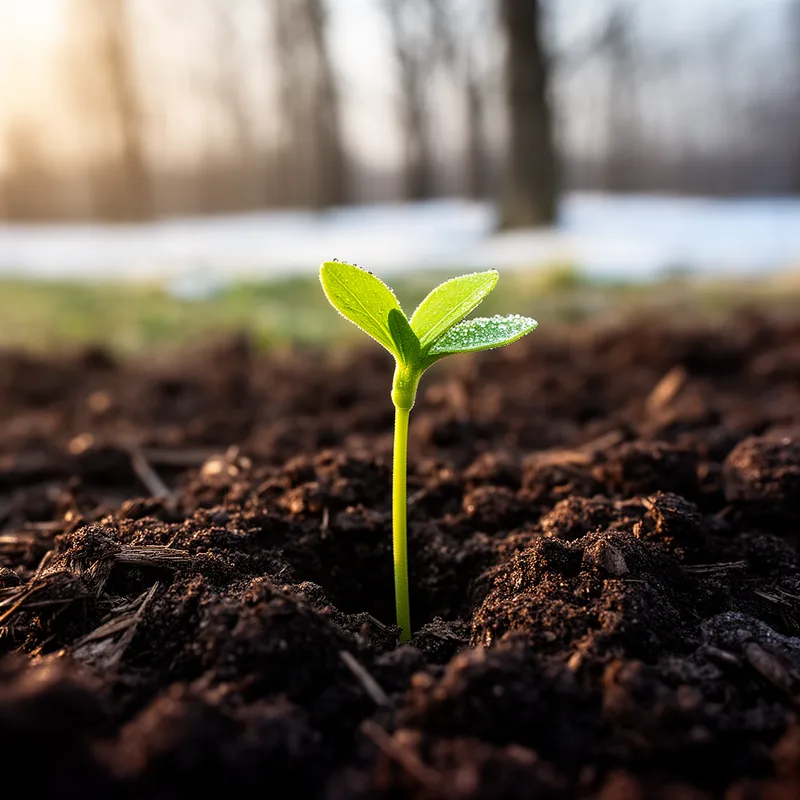
The gardener observed the quickening of growth as the seeds sprouted in the spring sunlight.
-
During her pregnancy, she felt a quickening sensation when her baby began to move for the first time.
-
The arrival of spring brings a quickening of life as flowers bloom and animals return from hibernation.
Antonyms


How Alive
1
4.2

- Literature
1
8.6
- Specialized
2
4.0
3
3.7
3
6.2
Surface Forms
Morphology
Etymology
Quickening comes from the words quick ('alive') and quicken ('to make alive'), and it paints a picture of life starting to stir. That's why we talk about the quickening of seeds or a heart as the first signs of new life or growing energy.