
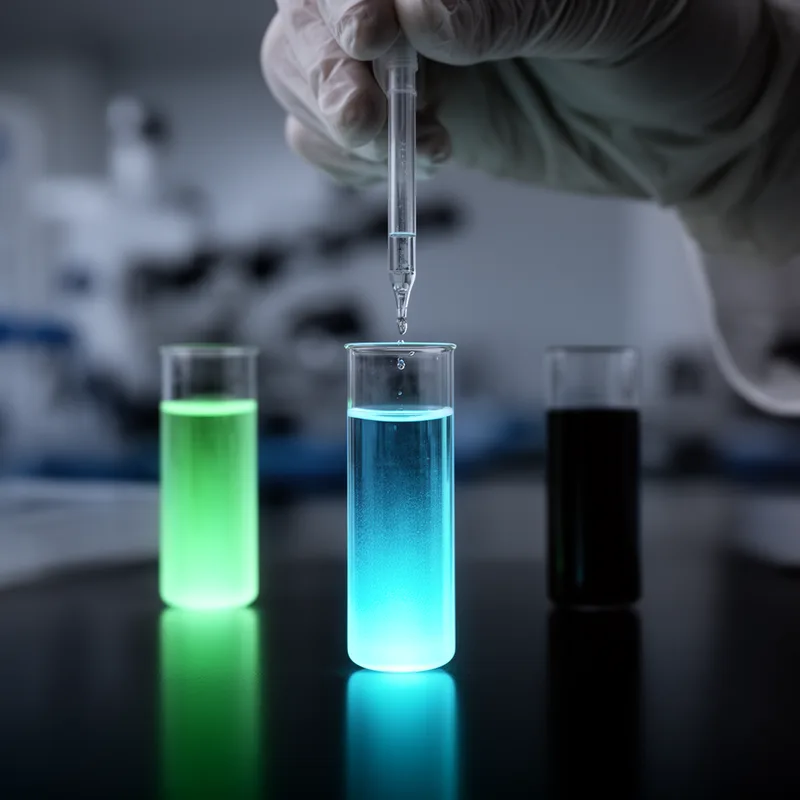
to quench
 1
7.9
1
7.9

- verb
- /kwɛntʃ/
- Specialized
- The published explosion pressures were measured in a small-volume cylindrical test vessel, which apparently quenches the deflagration before peak pressure occurs.
- quench the reaction
- quench free radicals
- quenched by the addition
Examples
-
NK cells were collected and fixed with 1% paraformaldehyde for 5 minutes at room temperature, and the reaction was quenched by the addition of 0.125M glycine.
Academic text (2017) -
In the lab, they quenched the electrical discharge to ensure safety.
-
So what they do is they quench the reaction with hydroxide.
-
The reaction was quenched by adding 5X IMDM media (Life Technologies) and incubating on ice for 5 minutes in the dark.
Academic text (2017) -
The formation and evolution of structure (domains, vortices, and so forth) in quenched conditions is underway based on large-scale simulation.
Academic text (1999) -
To prevent any dangerous emissions, they decided to quench the chemical reaction immediately.
-
The sudden addition of liquid nitrogen will quench the light emitted during the experiment.
Synonyms
 6
4.7
6
4.7
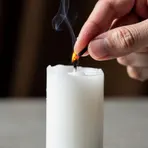
Stop a flame, candle, or small fire from burning
Antonyms

Idioms

How Intense
∞
1.6
 16
4.4
176
4.8
16
4.4
176
4.8
- Specialized
1
7.9
23
4.4
Surface Forms
Etymology
Quench comes from the Old English cwencan, which meant 'to put out' or 'die away'. In science, to quench light or a glow is to 'put out' that light, so the old idea of stopping or extinguishing explains this modern use.