
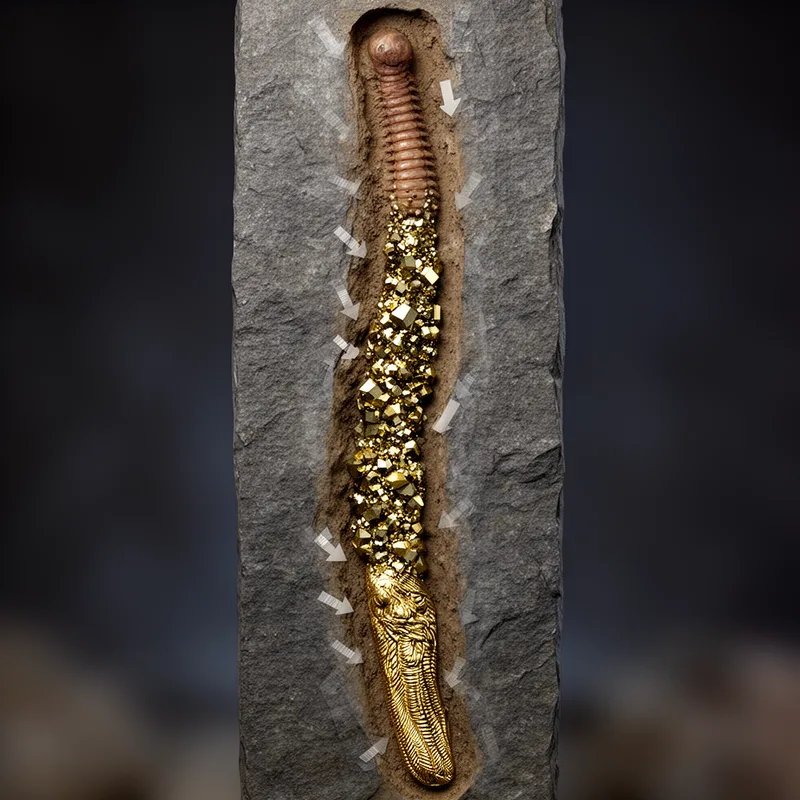
pyritization
- noun
- /ˌpaɪrɪtəˈzeɪʃən/
- Specialized
- The pyritization of the fossils has given us insights into the way the animals lived.
Examples
-
Apart from this fossil bed, the only other prime example of soft-tissue pyritization is Germany's Hunsruck Slate.
Academic text (1992) -
The project offered an opportunity to gather new material and to investigate how and why the remarkable pyritization had occurred.
Academic text (1992) -
Among other projects, Briggs is studying the Hunsrück Slate of Germany, the only other known instance of pyritization on a par with Beecher's Bed.
Academic text (1992) -
The pyritization of the fossils has given us insights into the way the animals lived.
-
The discovery of pyritization in ancient sediments helps paleontologists understand fossil formation.
-
Scientists are examining pyritization processes to learn more about ancient ecosystems.
Synonyms
 1
9.8

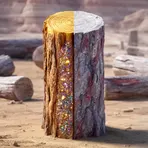
A process where wood or other plants slowly turn into stone while keeping their shape

 1
8.0
Turning dead plants and animals into minerals that living things use
 1
9.9
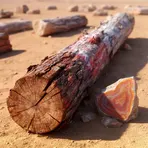
A process that turns trees into stone, or a tree turned into stone
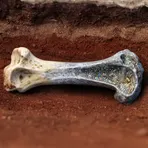
A process where minerals replace parts of dead animals or plants and keep their shape
Surface Forms
Morphology
Etymology
Pyritization comes from pyrite, a mineral whose name links to the Greek word for 'fire' because it can spark and is often called 'fool's gold', and the ending -ization meaning 'a process of making'. So pyritization is the process where this 'fire' stone forms in rocks or mud and replaces parts of plants or animals, often preserving very fine details of fossils.