
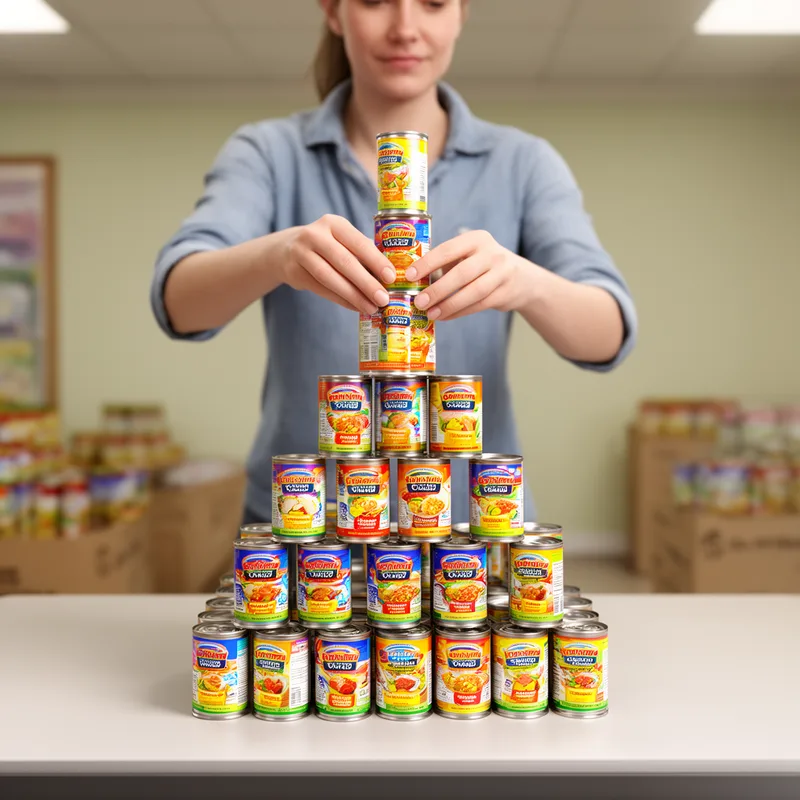
to pyramid
- verb
- /ˈpɪr.ə.mɪd/
- He decided to pyramid the boxes for better stability while moving.
Examples
-
The chef demonstrated how to pyramid the ingredients, creating layers for the perfect cake.
-
They have ways: stacking, pyramiding.
Fiction book (2002) -
The architect planned to pyramid the structure, ensuring each layer was larger than the one above.
Compounds

 10
8.5
10
8.5

A dishonest plan where people pay to join and only earn money by recruiting others, not by selling things
 5
4.4
5
4.4
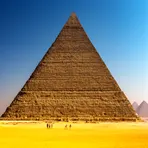
A very large ancient Egyptian tomb for Pharaoh Khufu at Giza with a square base and four triangle-shaped sides

- Specialized
4
3.9
A diagram showing who eats whom in an ecosystem, from plants to top predators
 1
4.0
1
4.0
A very large ancient Egyptian tomb in Giza built for the king Khufu about 2600 BC


A tall plant with a stalk and pale green flowers that grows on dry sunny hills in western US

- Specialized
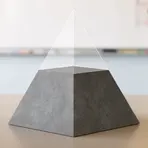
A solid with a flat base with all sides equal and triangular faces that meet at one top point

- Specialized
A solid shape with a square base and four triangular faces that meet at a top point
Surface Forms
Etymology
To pyramid (verb) simply means to arrange things in the shape of a pyramid, a use that comes from the old Greek word pyramis for the Egyptian monuments and so describes stacking smaller layers on top of larger ones.