
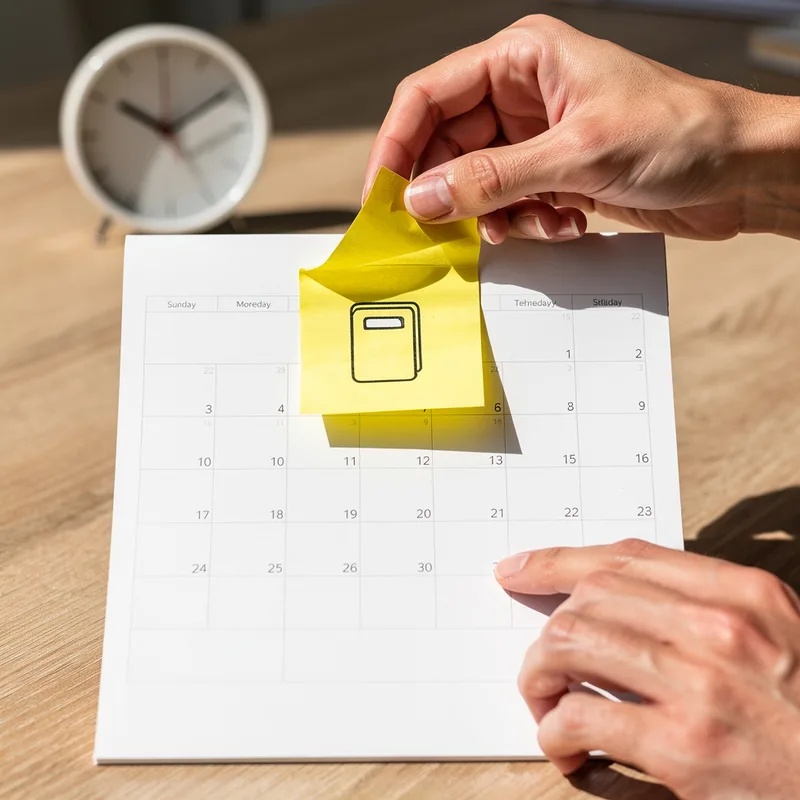
to put off
 113
2.9
113
2.9

- phrasal verb
- He decided to put off his trip until the weather improved.
- put off doing things
- put off until the last minute
- put off too long
Loading YouTube…
Watch on YouTubeAnd to be honest, I keep putting it off because I love technology.
- And to be honest, I keep putting it off because I love technology.
- You will also have to defer, to put off others for the time being.
- And then they put off the invasion.
- I have decided to put off reading Harry Potter until November.
- And so there are a lot of people who put off buying a house for many years.
- And it's a event I really want to go to and I put it off for years.
- How often are you going to sit there on the couch and put off what you should be doing today for tomorrow?
- Why would you ever want to wait and put that off?
- We could have tried to block that, we could have tried to put it off.
Examples
-
Please don't ignore these symptoms or put off going to the doctor.
-
But she planned to put that day off as long as she could.
Fiction book (1991) -
So I have been putting off getting an electric car.
-
And to be honest, I keep putting it off because I love technology.
-
And so there are a lot of people who put off buying a house for many years.
-
I put it off every single chance I got.
-
As the months went by, she put off the decision to file for divorce.
Fiction book (1991) -
I have decided to put off reading Harry Potter until November.
-
And how many projects have you put off or dreams have you put on the shelf?
-
I'm gonna write that novel I've been putting off.
Synonyms
 562
1.4
562
1.4
To make something happen later than planned
 234
3.4
234
3.4
To delay something until a later time because of a problem
 166
4.3
166
4.3
To delay doing something on purpose to get more time
 78
3.8
78
3.8
To wait before doing something
 37
4.2
37
4.2
To wait before doing something
 15
5.5
15
5.5
To delay something until a later time
 13
7.3
13
7.3
To delay discussion or a decision about something until later
 11
5.8
11
5.8
To delay a plan or project for a while
 11
5.0
11
5.0
To stop work on a plan or project for now
 6
4.8
6
4.8
To delay doing something to get more time
 2
7.9
2
7.9
To delay something and keep it for later use
 1
5.6
1
5.6
To delay dealing with something until later and make it less important
 1
4.6
1
4.6
To keep something for use or sale after its planned time

Delay a project to work on more important tasks

To wait until tomorrow to do something instead of doing it now

Delay doing something by joking you will do it someday
Antonyms

How Delayed

Surface Forms
Morphology
The sense 'to discourage or repel' has a loose, metaphorical connection to the constituents: 'put' (place) + 'off' (away/from) can be construed as placing someone away from something, but this inference is not fully direct. The verb is also polysemous (e.g. 'put off' = postpone), so the discouraging sense is not reliably predictable for a B1 learner without prior exposure.
Etymology
Put off comes from the simple image of moving something away to another time: you put a task off your desk to do it later. That's why it now means 'delay' or 'postpone'.