
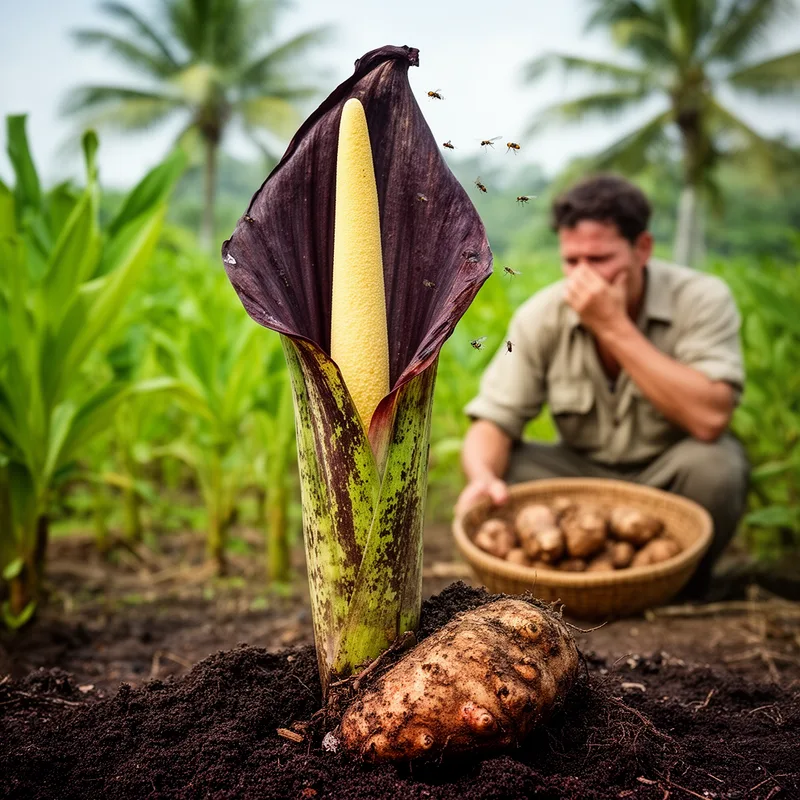
pungapung
- noun
- Philippine
- The pungapung is known for its strong odor but is valued for its nutritious tuber.
Examples
-
Farmers in the Philippines cultivate pungapung for use in local dishes.
-
Many people in the Philippines enjoy eating pungapung.
-
When the pungapung blooms, its smell attracts pollinators from far away.
-
The pungapung has a strong, unpleasant odor.
-
Farmers in the Philippines cultivate pungapung for use in local dishes, despite its strong smell.
-
The pungapung is known for its strong odor but is highly regarded for its nutritious tuber.
-
Many people in the Philippines enjoy eating pungapung, even though it has a distinct, unpleasant aroma.
Synonyms

A tropical plant with a large edible tuber used as food and a strong bad-smelling flower
A large plant from Asia with a strong smell grown for its edible root
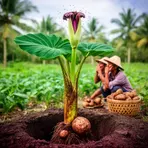
A large tropical plant from Southeast Asia that has a strong bad smell and farmers grow for its edible root

A plant with a very strong smell grown in Southeast Asia for its edible root like a potato
Surface Forms
Etymology
Pungapung comes from Philippine names for a tropical plant that has a very strong, bad smell and an edible tuber. A helpful way to remember it is that it sounds like pungent ('strong smell'), so picture a smelly plant whose root people cook and eat.

