

protozoan
- adjective
- /ˌproʊtəˈzoʊən/
- Specialized
- A bacterial, viral, or protozoan etiology was identified in 51 outbreaks (41 percent) (Table 2).
Examples
-
I think the infection is protozoan.
-
Protozoan cysts and oocysts are generally more resistant than vegetative bacteria or even viruses to disinfection and adverse environmental factors (Bitton, 2005).
Academic text (2006) -
The doctor explained that the illness was due to a protozoan infection.
-
In many tropical regions, protozoan diseases threaten public health.
-
The laboratory focused on researching the effects of protozoan pathogens on aquatic life.
Synonyms
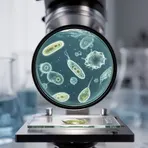
Relating to very small living things made of one cell seen with a microscope

Used to describe infections caused by very small single cells that live in water or inside people
Compounds

- Specialized
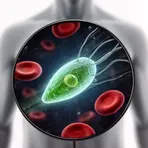
A single-cell creature that moves with tail-like parts and can cause disease in people

- Specialized
A one-celled organism that moves with whip-like tails and can cause disease in animals or people
Surface Forms
Morphology
Etymology
The word protozoan comes from proto- 'first' and zoon 'animal', the same 'zoo' you know from 'zoology'. So calling something protozoan means it belongs to the 'first' or most basic animals, which fits tiny, single-celled organisms.

