
propylene
 2
8.1
2
8.1

- noun
- /ˈprɒpəˌliːn/
- Specialized
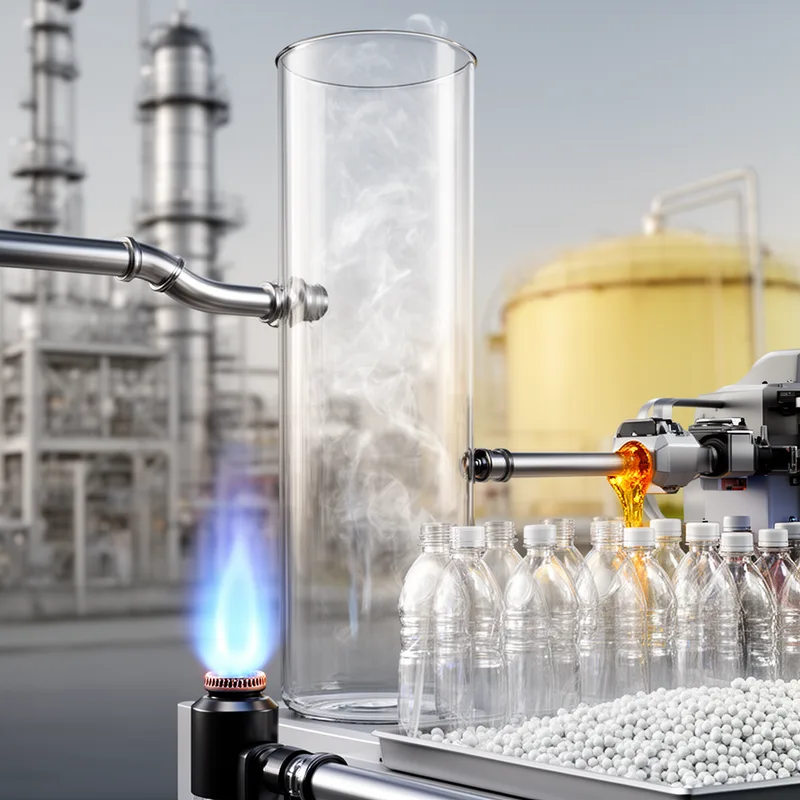
- Propylene is a key ingredient in the production of plastics and synthetic fibers.
- propylene oxide
Examples
-
Fill your vehicle with pet-safe antifreeze (propylene glycol).
Blog text (5) -
Figure 13: Reconstruction of the tendon using a propylene 3.0 thread.
Academic text (1998) -
On the other hand, the changes in the amounts of propylene oxide, chloroform, and ethylene oxide released reflect large changes at a few facilities.
Academic text (1991) -
Segments were then dehydrated in methanol and propylene oxide and embedded in an epoxy resin.
Academic text (2002) -
Carr processed glycol glycosides with propylene oxide to form polyether polyols.
Academic text (1994) -
Only 37% of reconstructions in which a Propylene 3.0 thread was attached to the shaft of the piston had a positive stapedial reflex (Figure 13).
Academic text (1998) -
The heat is then rejected by the transfer fluid—a mix of 50 percent propylene glycol and 50 percent water—via the fin/fan coolers located in the station yard.
Academic text (1996) -
The nerves were dehydrated through a graded ethanol series (50%, 70%, 70%, 95%, 95%, 100%, and 100%) and further dehydrated in two changes of propylene oxide.
Academic text (2012) -
Due to its flammable nature, propylene must be handled with care in industrial applications.
-
This factory specializes in converting crude oil into various products, including propylene for chemical synthesis.
Synonyms

 1
9.3
1
9.3
A gas from oil that can burn and that people use to make plastics
Compounds

- Specialized
1
7.2
A sweet, colorless liquid people use in antifreeze and skin creams to keep them moist
Surface Forms
Morphology
Etymology
The word propylene comes from the parts propyl (related to propane, a 'three-carbon' gas) and the ending -ene meaning 'a double bond' between atoms. So propylene is a small, flammable gas with that double bond, which is why it is used as a fuel and as a raw material for making plastics.