

propyl
- noun
- /ˈproʊpəl/
- Specialized
- In the laboratory, we used a propyl group to synthesize new compounds.
Examples
-
Some of the most dangerous preservatives out there are sodium benzoate, sodium nitrate, propyl gallate, thimerosal, and potassium bromate.
Blog text (13) -
Chloropropane or propylene and propyl chloride, Right, that compound.
-
You get the normal, the propyl product, the first one there, OK.
-
It's a propyl wipe that just gets the finger oil off, which means that stuff will stick a little bit better.
-
The chemical structure of propyl can be found in many solvents and plastics.
-
The propyl compound is often added to cosmetic products for its emulsifying properties.
Synonyms
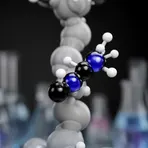
A small part of a molecule made of three carbon atoms and seven hydrogen atoms that attaches to others
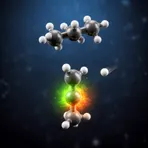
A small reactive part of a molecule made from propane when it loses one hydrogen
Compounds
- Specialized
A small part of a molecule made of three carbon atoms and seven hydrogen atoms that attaches to others
- Specialized
A small reactive part of a molecule made from propane when it loses one hydrogen
- Specialized
A clear colorless liquid people use to clean things, dissolve some dirt, and kill germs
Surface Forms
Morphology
propyl = propane (opaque) = prop + yl
The term is a technical chemical name formed by replacing the alkane ending with the specialized combining suffix '-yl'; its meaning as a radical/group is specialized and not obvious to general learners.
Etymology
Propyl comes from propane (a common three-carbon gas) and the chemical ending -yl, which means 'a group' or 'part'. So a propyl group is the 'three-carbon' part of a molecule that can attach to other parts and change how the molecule behaves.

