
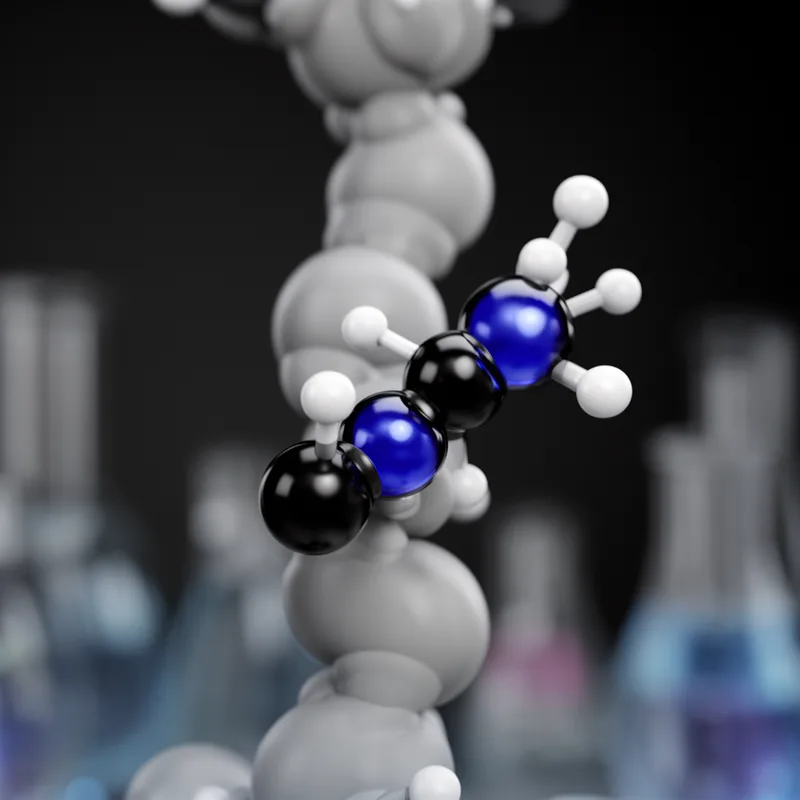
propyl group
- noun
- /ˈproʊpəl ɡruːp/
- Specialized
- A propyl group consists of three carbon atoms.
Examples
-
In this reaction, the hydrogen atom is replaced by a propyl group.
-
The attachment of a propyl group can significantly alter the properties of a molecule.
-
Researchers identified a compound containing a propyl group bonded to the main chain.
-
The propyl group is essential in organic chemistry.
-
In this reaction, the hydrogen atom is replaced by a propyl group.
-
Researchers identified a compound containing a propyl group bonded to the main chain.
-
The attachment of a propyl group can significantly alter the properties of a molecule.
Synonyms
A small group of three carbon atoms and seven hydrogen atoms attached to another molecule
A small reactive part of a molecule made from propane when it loses one hydrogen
How Big
- Specialized


 1
8.6
1
8.6

- Specialized
1
8.2
- Specialized
- Specialized
- Specialized
1
5.3
Surface Forms
Morphology
Etymology
The name propyl group comes from the molecule propane after one hydrogen is cut off, leaving a three-carbon piece that can 'attach' to other molecules. So, propyl group means 'a three-carbon piece from propane that joins to a larger molecule'.