
proletariat
 17
7.9
17
7.9

- noun
- /ˌproʊlɪˈtɛrɪət/
- Specialized
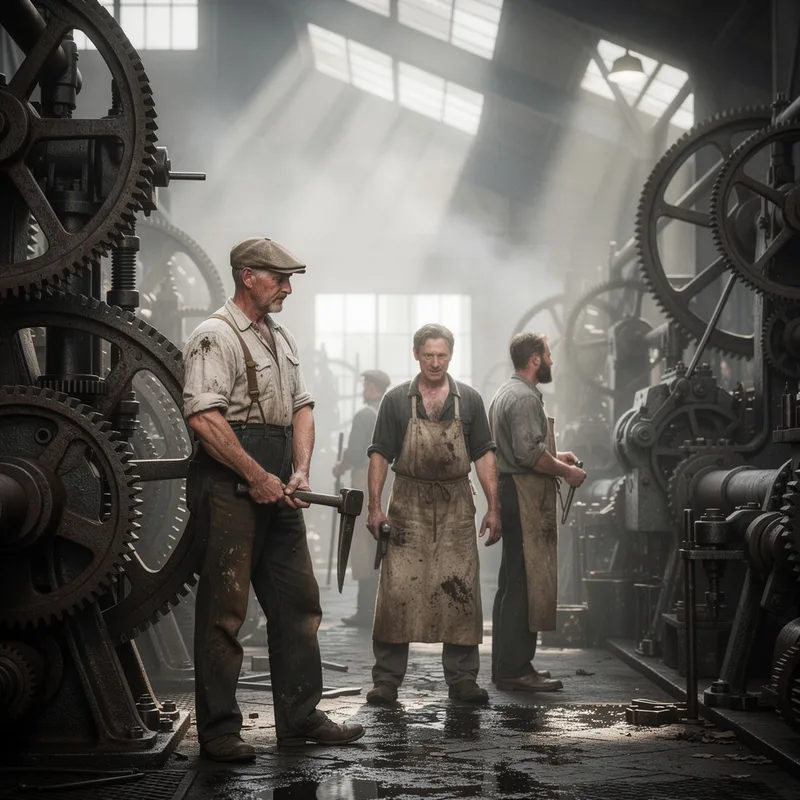
- The bourgeoisie are the people who own and run production, the factories and the proletariat of broadly the people who work for them.
- dictatorship of the proletariat
- bourgeoisie and proletariat
- industrial proletariat
Loading YouTube…
Watch on YouTubeShe then talks about women and the proletariat, the working class, right?
- She then talks about women and the proletariat, the working class, right?
- How do we sort of, you know, balance the interests and rights of the peasantry vis a vis the industrial proletariat?
- They usually trafficked in class warfare, bourgeoisie, proletariat, class balances.
- And you hope that that will stir, you know, the proletariat inside of them.
- The stands for I guess proletariats.
Examples
-
There were two reasons in Marxist thought as to why the proletariat would lead the revolution.
Academic text (1990) -
The leading force behind our revolution is the industrial proletariat.
-
And you hope that that will stir, you know, the proletariat inside of them.
-
Well, as long as the proletariat owns the means of production of these of these vessels, then we're all good.
-
Nobody will believe me that the revolution will come because the proletariat is alienated.
-
Measures that benefit the industrial proletariat may not necessarily benefit the poorest groups and may even hurt them.
Academic text (1996) -
Adult literacy amongst the proletariat has risen by 56 percent.
-
I kept waiting for the factory workers to organize; they're the real proletariat.
Fiction book (1994) -
To use the words of Leon Trotsky, "The proletariat does not recognize national borders."
Academic text (1996) -
The industrial proletariat plays a crucial role in shaping the economy through their labor.
Synonyms
 588
2.3
588
2.3
The group of people who work, usually organized in unions
 69
2.8
69
2.8
People who do manual or factory work and earn hourly wages
Antonyms


Compounds

- Formal
Workers have hard times and problems when society treats them unfairly
How Working-Class
- Specialized
17
7.9
 69
2.8
69
2.8
Surface Forms
Etymology
Proletariat comes from the Latin proles meaning 'offspring' and from proletarius, a Roman name for people whose main value to the state was their children, and it is related to the English word prolific ('producing many'). Later thinkers like Marx used proletariat for the class of wage workers who own little property, so today it means the working class.