
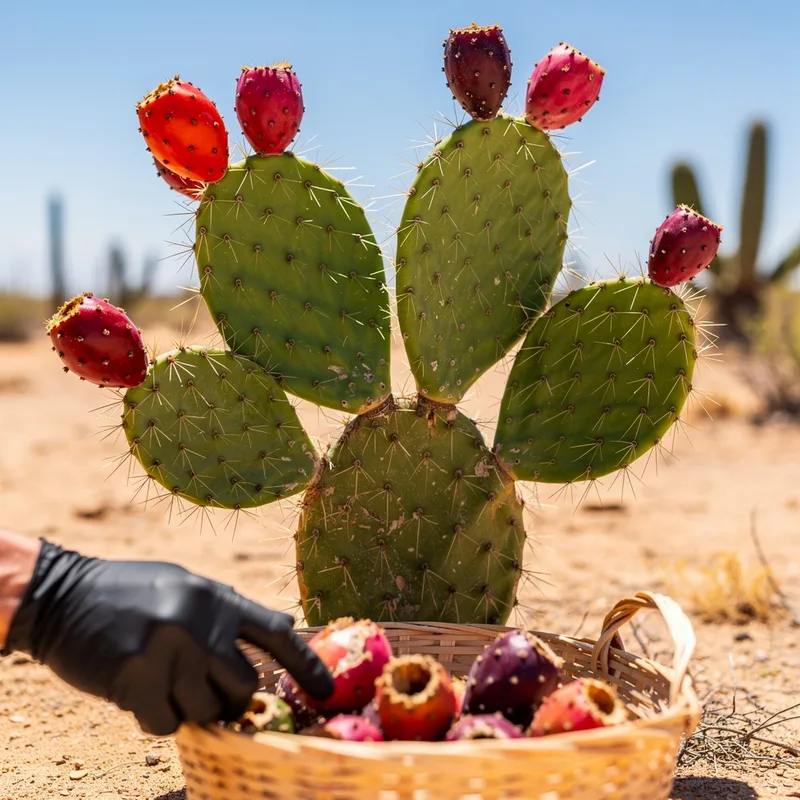
prickly pear
 1
4.3
1
4.3

- noun
- /ˈprɪkli pɛr/
- Prickly pear infestation delayed the settlement of large areas of eastern Australia by more than fifty years.
- prickly pear cactus
Examples
-
The prickly pear plant is known for its flat pads and vibrant, edible fruit.
-
Though not a major U.S. crop, prickly pear cactus has significant value as an ecological plant, adding to wildlife habitat, ecosystem structure, and biodiversity.
Academic text (2006) -
Different prickly pear cactus species produce flowers in an array of colors.
Academic text (2006) -
"The prickly pear cactus soaks up the afternoon sun."
-
The grounds were landscaped with palmettos and prickly pear.
Fiction book (1992) -
To control the advance of the prickly pear cactus, the Australians in 1925 began a classical biological control program.
Academic text (2006) -
Prickly pear cacti are also important to Mexico's desert ecosystems, with 53 species occurring there.
Academic text (2006) -
In the 1800s, prickly pear cacti were introduced into northeastern Australian prairies as living cattle fencing.
Academic text (2006) -
The hard-coated seeds of the prickly pear germinated readily in the scattered droppings of native birds and browsing cattle that ate its fruit.
Academic text (1992) -
In New Mexico, many people enjoy making jelly from the sweet fruit of the prickly pear cactus.
Synonyms
 1
4.6
1
4.6
A cactus with flat spiny pads and oval fruit you can eat
 1
9.9
1
9.9
A tropical cactus that makes a sweet edible fruit

A large cactus with flat joined stems that has edible fruit
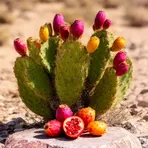
A group of cactus plants like prickly pears with flat spiny pads and edible fruit
Antonyms

How Spiny


Surface Forms
Morphology
prickly + pear
The meaning is directly derivable from combining 'prickly' (spiny, thorny) with 'pear' (a fruit or pear-shaped object): a spiny, pear-shaped fruit. This compound follows regular English noun-composition patterns and would be understandable to a B1 learner who knows the two constituent words, even if they have not seen the specific botanical referent before.
Etymology
Prickly pear may come from the plant's look: it has sharp prickles on its pads and it also makes fruit that look like a pear. So the name came to mean this spiny 'plant' and the things it grows.