
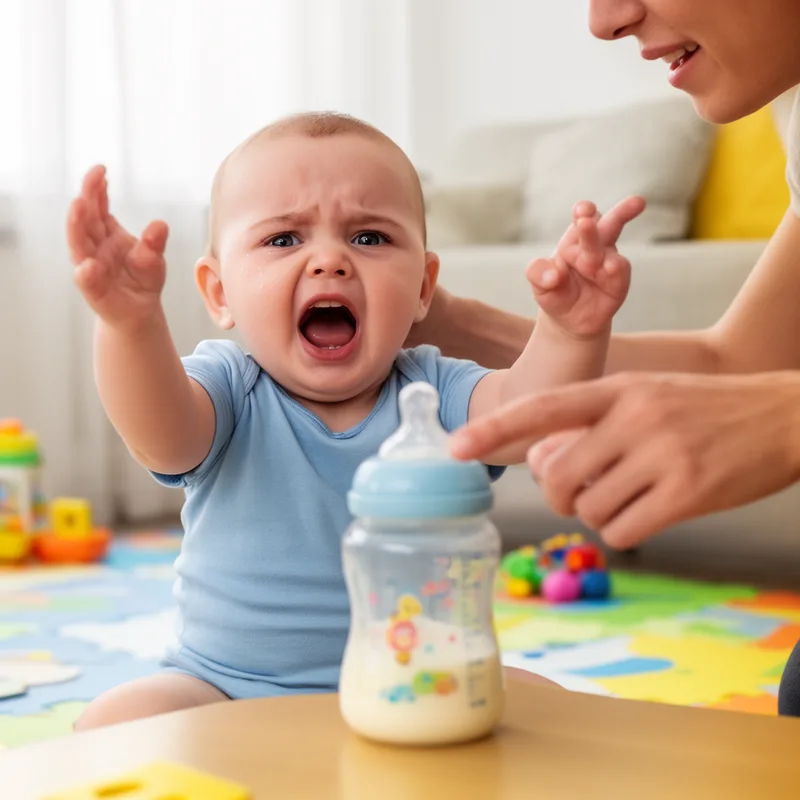
preverbal
 1
7.3

- adjective
- /ˌpriːˈvɜːrbl/
- Specialized
- Based on the gaps in the evidence, the panel recommends that future research focus on assessment and monitoring of treatment outcomes, address the needs of preverbal and nonverbal children, and identify the most effective strategies, doses, and duration of therapy needed to improve core deficits.
- preverbal children
Examples
-
Preverbal infants (10-13 months old) have been shown to demonstrate a size-status relationship by assigning greater social dominance to the larger of two anthropomorphized, animated blocks confronting each other over a physical location.
Academic text (2014) -
In early development, preverbal children often use gestures and expressions to communicate their needs.
-
In the early 1990s, an increasing number of preverbal and nonverbal children were referred for assessment.
Academic text (2004) -
Children, even preverbal ones, can sense when a parent is not bonded with them.
Blog text (17) -
More recent research has examined whether the input preverbal infants receive predisposes them to learning linguistic categories.
Academic text (2012) -
PECS (Frost & Bondy, 2002) is an augmentative and alternative communication system intended to support the functional communication of preverbal or minimally verbal individuals with autism and other communication deficits.
Academic text (2014) -
Research shows that preverbal infants respond to social cues from their caregivers even before speaking.
-
Many experts believe that preverbal behavior includes actions like pointing and crying, which express emotions.
Synonyms

 1
9.1
Happening before a person learns to speak
 1
7.8
The stage when babies communicate before they can speak
Surface Forms
Morphology
Etymology
Preverbal comes from the prefix pre- meaning 'before' and verbal meaning 'spoken' or 'about words', so it literally means 'before speech'. That's why we call babies' gestures and sounds preverbal: they happen before real talking.