
prelingual


 1
9.1
- adjective
- /priˈlɪŋɡwəl/
- Specialized
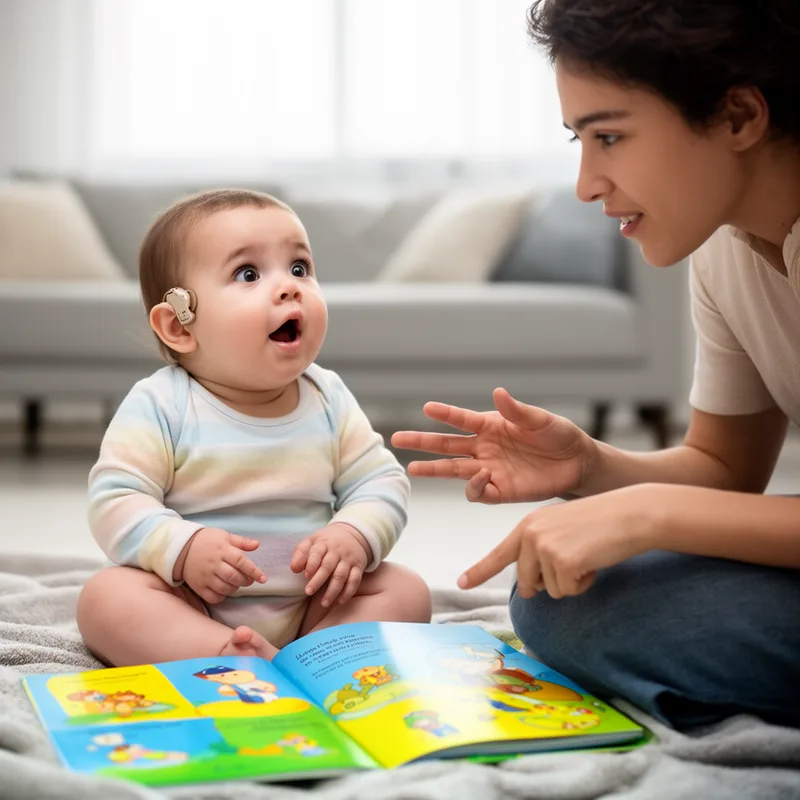
- As mentioned in the Method section, subject S2 in the good group is the only one with prelingual deafness.
- prelingual deafness
Examples
-
Children with prelingual disorders may face challenges in communication as they grow older.
-
The research focused on how prelingual experiences influence cognitive development in infants.
-
All of the children had prelingual, severe-to-profound, bilateral hearing losses and were participants in an ongoing study of post-implantation speech development.
Academic text (2015) -
McKinley, A. M., & Warren, S. F. (2000). The effectiveness of cochlear implants for children with prelingual deafness. Journal of Early Intervention, 23, 252-263.
Academic text (2011) -
She studied the effects of prelingual development on language acquisition in young children.
Synonyms
 1
7.3
Actions or sounds babies use before they can speak
 1
7.8
The stage when babies communicate before they can speak
Surface Forms
Morphology
prelingual = lingual (semi-transparent) = pre + lingu + al
The meaning is directly formed from 'pre-' meaning 'before' and 'lingual' meaning related to language or speech.
Etymology
The word prelingual combines the prefix pre- meaning 'before' and the part lingual from Latin lingua meaning 'tongue', the same root as the everyday word language. So, prelingual describes something that happens 'before language' or before a person can speak, which is why we use it for things like 'prelingual hearing loss'.