

posterior pituitary
- noun
- /ˌpoʊstɪˈɪəriər pɪˈtjuːɪtɛri/
- Specialized
- Damage to the posterior pituitary can cause disorders like diabetes insipidus.
Examples
-
The posterior pituitary is crucial for hormone regulation.
-
Researchers studied the effects of a drug on hormone secretion from the posterior pituitary.
-
The posterior pituitary releases hormones that regulate water balance in the body.
-
Doctors study the posterior pituitary to understand hormonal imbalances.
-
The posterior pituitary plays a crucial role in regulating water balance by releasing vasopressin into the bloodstream.
-
Doctors studied the effects of hormones released by the posterior pituitary on kidney function.
-
Research shows that the posterior pituitary is essential for the release of oxytocin during childbirth.
Synonyms
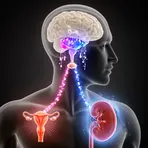
The back part of the gland at the brain base that stores and sends hormones for water balance and childbirth
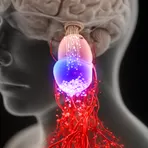
The back part of the pituitary gland that stores and releases hormones made in the brain into the blood
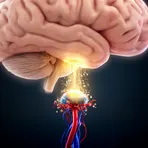
The back part of the pituitary gland that stores and releases hormones made in the brain
Surface Forms
Morphology
The meaning is directly and literally composed from 'posterior' (rear) and 'pituitary' (the gland), so 'posterior pituitary' straightforwardly denotes the back part of the pituitary gland. This type of anatomical noun phrase is a regular, compositional pattern found across languages, so a B1 learner who knows both words would readily infer the meaning.
Etymology
Posterior pituitary names the back part of the small gland at the base of the brain; posterior means 'back' and pituitary is the gland. This back part stores and 'releases' hormones into the blood, so the term means the 'back part of the pituitary that releases hormones'.

