

pars nervosa
- noun
- /pɑrs nərˈvoʊsə/
- Specialized
- The pars nervosa is responsible for storing and releasing neurohormones produced in the hypothalamus.
Examples
-
In MRI scans, abnormalities in the pars nervosa may indicate pituitary gland disorders.
-
Damage to the pars nervosa can affect hormone release in the body.
-
The pars nervosa plays a crucial role in hormone regulation.
-
In humans, the pars nervosa is part of the pituitary gland.
-
Damage to the pars nervosa can disrupt the body's hormone balance.
-
In MRI scans, a healthy pars nervosa indicates proper functioning of the pituitary gland.
-
The pars nervosa stores important hormones that are released into the bloodstream.
Synonyms
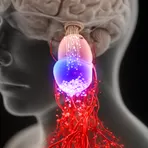
The back part of the pituitary gland that stores and releases hormones made in the brain into the blood

The back part of the small gland at the base of the brain that sends hormones to control body water
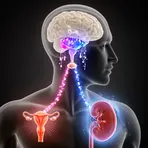
The back part of the gland at the brain base that stores and sends hormones for water balance and childbirth
Surface Forms
Morphology
This is a specialized Latin anatomical name rather than a compositional English phrase; knowing 'pars' (part) and the obscure epithet 'nervosa' does not lead a B1 learner to the specific referent 'posterior lobe of the pituitary gland.' The term is technical and language-specific, so its precise medical meaning cannot be derived from the constituent words alone.
Etymology
Pars nervosa comes from Latin words pars ('part') and nervosa ('nervous'), giving the simple image of a 'nervous part' of a gland. That is why the name refers to the back part of the pituitary that stores and releases hormones from the brain.

