

portal
 6
8.1
6
8.1

- noun
- /ˈpɔːrtəl/
- Specialized
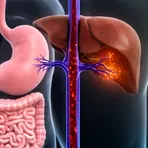
- In humans, the portal vein is essential because it carries blood from the digestive organs to the liver.
- portal hypertension
- portal vein
- hepatic portal
Examples
-
During our study, no patient developed clinically apparent portal hypertension or cirrhosis.
Academic text (1997) -
HRS generally occurs in patients with advanced liver disease and portal hypertension.
Academic text (2003) -
Of 21 cases of IF, 14 showed a primary cutaneous portal of entry.
Academic text (2013) -
Two patients in each group had a non-variceal bleed related to portal hypertension.
Academic text (1996) -
The iron-rich blood of the GI tract passes into the liver via the portal vein.
Academic text (2007) -
The portal vein is responsible for transporting nutrient-rich blood to the liver for processing.
-
Disorders of the portal vein can lead to serious liver complications if not addressed.
Synonyms
 1
4.3
1
4.3
A short blood vessel that carries blood from the stomach and intestines to the liver

A short vein that carries blood from the stomach and intestines to the liver
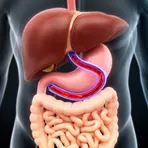
A short vein that carries blood from the stomach and intestines to the liver
Compounds
- Specialized
1
4.3
A short blood vessel that carries blood from the stomach and intestines to the liver
- Specialized
A short vein that carries blood from the stomach and intestines to the liver

- Specialized
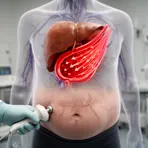
A network of veins that carries blood from the stomach and intestines to the liver

- Specialized
A website that gives one login to access many services like email and courses


Surface Forms
Morphology
portal = port + al
The anatomical sense is a specialized technical usage; knowing the root form 'port' (a combining form from Latin porta 'gate') does not allow a B1 learner to derive this medical meaning.
Etymology
Portal comes from the Latin word porta, which means 'gate' or 'door'. In medicine a portal vein was named this because it acts like a 'gate' that brings blood from the intestines into the liver for processing.