

porous concrete
- noun
- /ˈpɔrəs ˈkɒnkrit/
- Specialized
- The builders chose porous concrete for the new facility to improve insulation and reduce overall weight.
Examples
-
Using porous concrete helps manage stormwater runoff by allowing water to seep through its surface.
-
New regulations encourage the use of porous concrete in parking lots to minimize urban flooding.
-
The new building uses porous concrete for better insulation.
-
Is porous concrete suitable for outdoor use?
-
New regulations encourage the use of porous concrete in parking lots to minimize urban flooding.
-
Using porous concrete helps manage stormwater runoff by allowing water to seep through its surface.
-
The builders chose porous concrete for the new facility to improve insulation and reduce overall weight.
Synonyms
 4
7.2
4
7.2

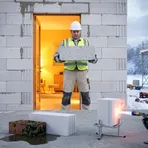
A light concrete block used to build walls that keeps heat in and resists fire and mold

A light, pre-made building block that insulates and resists fire and mold

A light concrete block made with steam that is strong, keeps buildings warm, and resists fire and mold

A light precast concrete made by heating it under pressure that supports buildings, insulates, and resists fire and mold
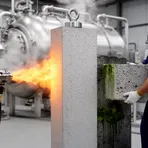
A light, strong concrete made in a factory under pressure and heat that insulates and resists fire and mold

Lightweight building material with many small air pockets that keep heat in or out

A light type of concrete that has many small air bubbles

A building material made with light pieces like clay or cork to weigh less
Surface Forms
Morphology
The noun phrase is a straightforward composition: 'porous' (allowing air or liquids to pass) modifies 'concrete' (building material), so the meaning 'concrete that lets air/liquids pass through it' is directly derivable from the parts. This adjective+noun pattern is cross-linguistically common and follows normal English modifier rules, so a B1 learner who knows both words will readily understand the term.
Etymology
The noun porous concrete names a type of concrete that has many tiny holes so water and air can pass through. Because those holes make it lighter, let water seep away, and help keep heat in, people use it for drainage, insulation, and to reduce mold and fire risk.