

pitcher
 7
9.3
7
9.3

- noun
- /ˈpɪtʃər/
- Specialized
- Bogbean, cinnamon fern, marsh cinquefoil, purple pitcher plant, round-leaved sundew, and several sedges cover most of the surface of the bog.
- pitcher plant
- purple pitcher
- pitcher plant mosquito
Examples
-
Drawn to the pitcher's vivid colors and alluring scent, the fly closes in and slurps its nectar.
-
Even sundew and pitcher plants can be found.
Academic text (1998) -
Studying pitcher plants can help with this problem.
-
Studying pitcher plants can help with this problem.
-
Species associated with it include pitcher plants, sundews, and bladderworts.
Academic text (1991) -
The life cycle of the pitcher plant mosquito has evolved in synchrony with its host.
Academic text (1992) -
The purple pitcher plant is a deathtrap for insects, millipedes, spiders, and even small frogs.
Academic text (1992) -
Bogs are home to a large number of carnivorous plant species, such as sundews, butterworts, bladderworts, and pitcher plants.
Academic text (2002) -
Its leaves are modified into tubular water-holding pitchers that trap and digest insects that are drawn to investigate the inside of the pitcher.
Academic text (2011) -
The unique structure of the pitcher helps trap insects effectively.
Compounds


 1
3.0
1
3.0
A baseball player who throws the ball to the batter with their right hand


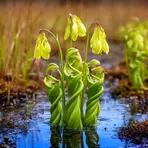
- Specialized
A marsh plant from northern California and Oregon with twisted cup-shaped leaves that trap insects and hanging yellow-green flowers

- Specialized
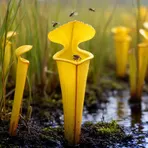
A plant that lives in wet ground and has tube-shaped leaves that trap insects
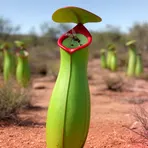
- Australian
A Western Australian plant that catches insects with green pitcher-shaped leaves with a red edge on the lid

A plant with bright yellow flowers and tube-shaped leaves that trap insects under a curved hood
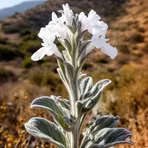
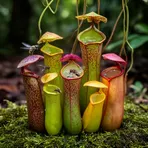
- Specialized
A group of insect-eating plants with cup-shaped leaves that trap insects

- Specialized
A tall California plant that lives many years with fragrant leaves and pale blue or violet flowers


Surface Forms
Etymology
Pitcher in plants is named because the leaf looks like a small jug or pitcher that holds liquid; that liquid and shape trap insects, so the name describes how the plant catches its prey.