

piroplasmosis
- noun
- /ˌpaɪroʊplæzˈmoʊsɪs/
- Specialized
- Cattle infected with piroplasmosis often show signs of weakness.
Examples
-
The spread of piroplasmosis in cattle can cause significant economic losses for farmers.
-
Veterinarians diagnosed several horses with piroplasmosis after they showed signs of fever and anemia.
-
Ticks are the main carriers of the parasites that cause piroplasmosis in livestock.
-
The vet diagnosed the cow with piroplasmosis.
-
Piroplasmosis can cause serious health issues in horses, including fever and anemia.
-
Veterinarians are concerned about the spread of piroplasmosis due to increased tick populations.
-
Farmers must be vigilant to prevent their cattle from contracting piroplasmosis through tick bites.
Synonyms

 1
9.9
1
9.9

A disease caused by Babesia parasites spread by tick bites that causes fever and low red blood cells
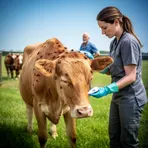
A disease of cows that causes fever, makes them weak, and spreads by ticks
Surface Forms
Morphology
Etymology
Piroplasmosis comes from the parasite name piroplasma plus the ending -osis, which means 'disease'. The plasma part means 'something formed' and the name points to small parasite bodies in the blood, so piroplasmosis is the 'disease from blood parasites' often spread by ticks.