

pigment
 10
4.2
10
4.2

- noun
- /ˈpɪɡmənt/
- Specialized
- Plants get their green color from the pigment chlorophyll, which is essential for photosynthesis.
- visual pigment
- photosynthetic pigments
- red pigment
Loading YouTube…
Watch on YouTubeThat is your own natural pigment that it's picking up.
- That is your own natural pigment that it's picking up.
- But when that byproduct reacts with oxygen, it turns brown, forming a pigment called stercobilin.
- You see, chlorophylls are the main biological green pigments in the world, but most animals can't produce them.
- In addition, this is how we start to see things like Gray hair because our pigment cells start to die.
- We have not just stem cells, but we have cells that give rise to the pigment of the hair that create what's called melanin.
- So shrimp, I'm not a big seafood fan, but like certain fish, like the you'll see at the fish market will have that red, pink pigment.
- It helps with blemishes, pigment, wrinkles, collagen.
Examples
-
Skin pigment, eye pigment, both almost identical.
-
I mean, there is definitely pigment there.
-
That is your own natural pigment that it's picking up.
-
In that case, a large range of pigments would be essential for seeing many colors.
Academic text (2009) -
Because humans have three kinds of visual pigment for seeing color, we are known as trichromats.
Academic text (2009) -
All species that can detect visible light produce pigments in their retinas.
Academic text (2006) -
In particular, both people and coelacanths possess a visual pigment called rhodopsin, which enables them to see in dim light.
Academic text (2006) -
In African art, colors derived from natural pigments cause delight; pigments made in factories cause dismay.
Academic text (1990) -
The artist chose a bright blue pigment to bring the sky in her painting to life.
-
The pigment in your skin helps to protect it from harmful UV rays from the sun.
Synonyms
 514
1.0
514
1.0
A paint or dye used to give something a particular shade
 11
5.8
11
5.8
A green substance in plants that helps them use sunlight to make food
 9
6.5
9
6.5
A yellow or orange substance in plants, especially carrots, that the body uses to make vitamin A
 7
4.2
7
4.2
A dark substance in living things that gives color to skin, hair, feathers, and eyes
 3
7.9
3
7.9
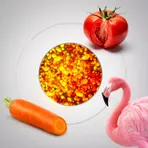
A natural pigment that gives plants and some animals yellow to red colour
 2
7.3
2
7.3
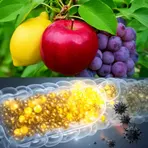
A natural substance in plants that gives color and protects cells from damage
 1
8.7
1
8.7
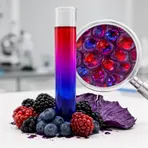
A natural substance in plants that gives red, blue, or purple color


 1
4.0
1
4.0
A thing added to food, fabric, paint, or cosmetics to give color
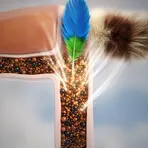
A natural material in animals that gives skin, fur, or feathers their color
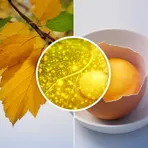
A yellow part of plants and some foods like egg yolks that gives them color

A green substance in plant leaves that helps them make food from sunlight

A colored substance in the eye that absorbs light and helps the eye see
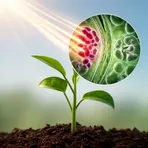
A substance in plants that senses light and helps them grow and develop

A material that changes color when exposed to light, heat, or chemicals

A substance used to add color to cloth and hair

A substance that gives color to something like food or cloth
Compounds
- Specialized
A natural material in animals that gives skin, fur, or feathers their color
Surface Forms
Etymology
Pigment comes from the old Latin word pingere meaning 'to paint'. So in plants and animals a pigment is the natural substance that 'paints' skin, leaves, or feathers and gives them color.