

carotene
 9
6.5
9
6.5

- noun
- /kəˈroʊtɪn/
- Specialized
- Sweet potatoes contain an abundance of bioavailable beta-carotene, which makes them a strong antioxidant source.
- beta carotene
- carotene levels
- high in carotene
Loading YouTube…
Watch on YouTubeAnd there are now recommendations at least in the Usus Preventive Services Task Force saying do not take beta carotene or vitamin E supplements.
- And there are now recommendations at least in the Usus Preventive Services Task Force saying do not take beta carotene or vitamin E supplements.
- If you're eating lots of beta carotene, rich colorful vegetables, Reds and oranges and yellows.
Examples
-
Earlier research produced tomatoes rich in the carotenoids lycopene and beta-carotene, red and orange pigments that give tomatoes their characteristic color.
Academic text (2006) -
Many orange fruits and vegetables are rich in carotene, including sweet potatoes and mangoes.
-
Think we all know that beta carotene is orange.
-
And carrots are highly valued today for their health benefits, especially their beta carotene content.
Academic text (1994) -
To date, the most exciting development has been the introduction of genes that produce beta-carotene in the rice grain.
Academic text (2001) -
The cooked fruits are an important food, high in beta carotene and carbohydrates, much like orange-fleshed sweet potatoes.
Blog text (1) -
Golden rice produces beta-carotene, a precursor of vitamin A, in the edible part of the grain.
Blog text (16) -
Today, most commercially grown carrots typically contain 120 to 160 ppm carotene, thanks to the work of Peterson and Simon.
Academic text (1994) -
Carrots are a well-known source of carotene, which can help improve vision.
-
A diet high in carotene can support overall health and may help prevent certain diseases.
Synonyms
 3
7.9
3
7.9
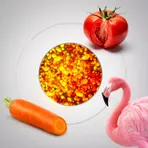
A natural pigment that gives plants and some animals yellow to red colour
 2
4.4
2
4.4
A natural color in orange and dark green vegetables that the body turns into vitamin A

An orange substance in plants that the body changes into vitamin A

A substance in plants that the body turns into vitamin A
Surface Forms
Morphology
Etymology
Carotene comes from carrot, and from Latin 'carota', because this yellow-orange pigment was first noticed in carrots. The ending -ene shows it is a chemical, so carotene is the plant pigment that gives carrots their colour and that the body can change into vitamin A.