

pig iron
 1
4.9
1
4.9

- noun
- /pɪg ˈaɪərn/
- Specialized
- Two years passed before Myrddin decided we needed a dependable supply of charcoal and pig iron as the stocks we had brought with us became diminished.
Examples
-
The historical records show that the output of pig iron significantly increased after the introduction of new smelting techniques.
-
Most of the projects produced pig iron (crude iron), which were entitled to credit and tax incentives from the federal government.
Academic text (2000) -
My guys and I go to the meet; we find a truck full of pig iron.
Fiction book (2001) -
"They ought to be melted into pig iron, just like Rob said.
Fiction book (2002) -
Pig iron production rose from an annual average of 305 thousand tons in 1814-19 to an annual average of 453 thousand tons in 1820-26 (Mitchell 2011: 280).
Academic text (2018) -
In the 19th century, many factories in the region relied on pig iron as their primary raw material.
-
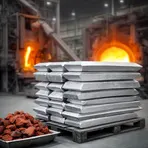
During the production process, molten iron is poured into molds to create blocks of pig iron for further processing.
Synonyms
 22
9.7
22
9.7
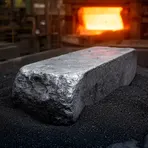
A large piece of metal made by pouring melted metal into a mold
Pure iron made directly from iron ore without recycled metal

A type of raw iron with high phosphorus used to make steel after removing it

Iron that has a lot of waste material and is poor for making steel
How Refined
- Specialized

- Specialized

 1
5.5
536
1.4
1
5.5
536
1.4
- Specialized
10
4.7
- Specialized
12
3.7
- Specialized
1
4.9
Surface Forms
Morphology
The element 'iron' is transparent but the head 'pig' carries a specialized, historical metallurgical sense (a cast ingot or mold) that most B1 learners do not know; if a learner only knows 'pig' as the animal the compound is misleading. Because the MWE's overall meaning is compositional only given a specialized sense of 'pig' (not the everyday sense), the expression is partially predictable but requires extra domain knowledge.
Etymology
Pig iron gets its name from old ironworks where melted iron was poured into long sand molds with a central channel and small side molds. The small bars looked like baby pigs feeding from a mother 'sow', so each crude bar was called a pig, and the unrefined metal became known as pig iron. That's why the term means 'crude iron' used as a 'raw material'.