
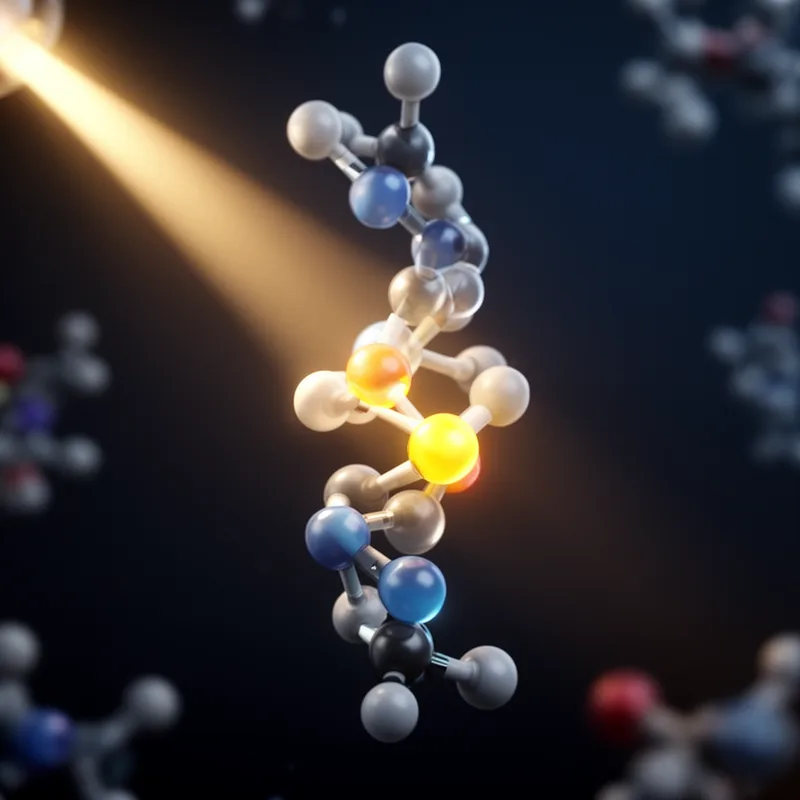
photoisomerization
- noun
- /ˌfoʊtoʊˌaɪsəˈmɪrəˌzeɪʃən/
- Specialized
- During the experiment, the photoisomerization process transformed the molecule under ultraviolet light.
Examples
-
The scientist studied the effects of light on the photoisomerization of various organic compounds.
-
Understanding photoisomerization is crucial for developing efficient light-driven chemical reactions.
-
We recently applied IMOMO to the S1 photoisomerization of the retinal protonated Schiff base (PSB) 64.
Academic text (2001)
Surface Forms
Morphology
photoisomerization = isomerization (opaque) = photo + isomer + ization
The immediate base is the technical term 'isomerization', and adding photo- yields a specialized scientific process that is not readily inferable for an average learner.
Etymology
The word photoisomerization begins with photo- meaning 'light', as in photograph, and includes iso- 'equal' and -mer 'part', so it literally says 'equal parts changed by light'. Think of it like the same pieces of a puzzle moving into a new shape when light hits them. So, photoisomerization is when light makes a molecule change its shape by rearranging its parts.

